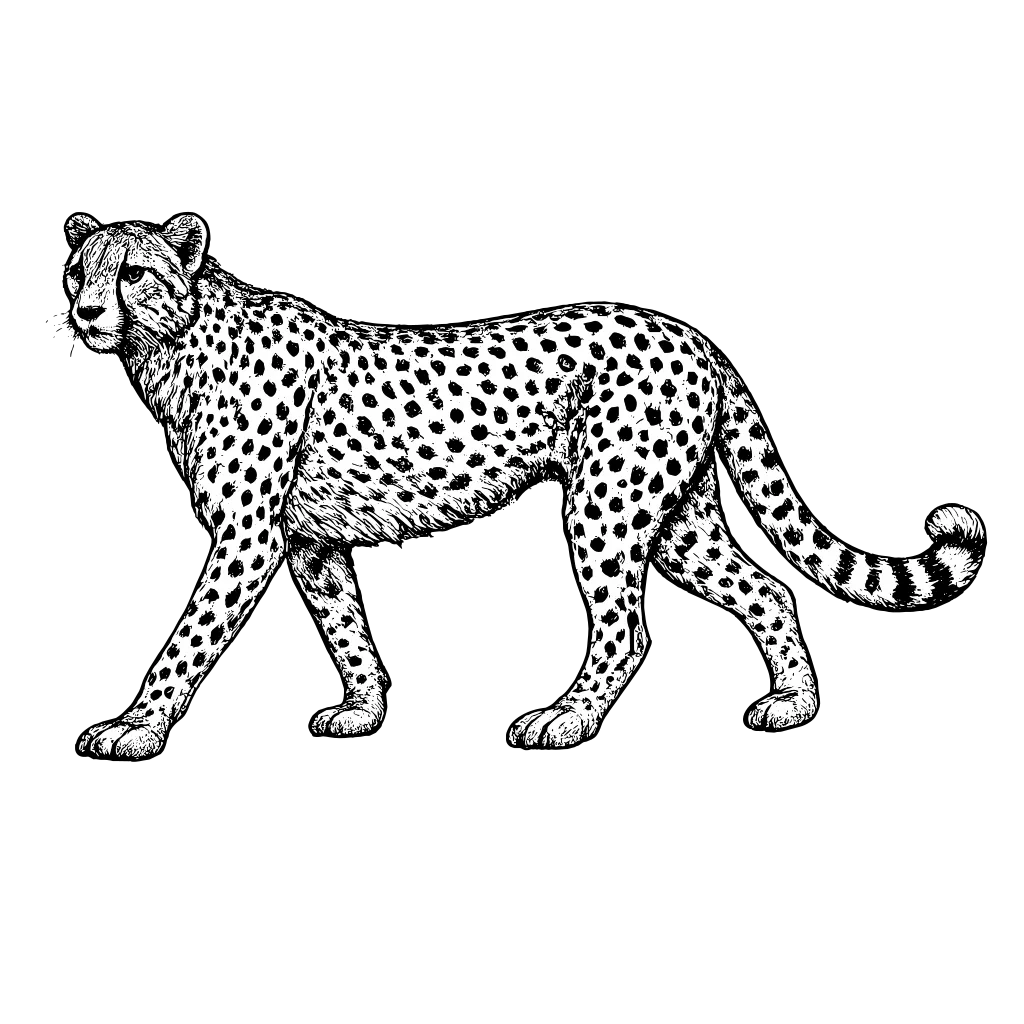
Cheetah
Acinonyx jubatus
The fastest land animal on Earth, and the most fragile of the big cats. The cheetah's body is built like a sprinter's — long, light, and barely able to do anything but accelerate — and the species has been pulled through a genetic bottleneck so tight that every cheetah alive is, more or less, a close cousin.
Browse the Woodcut Wild shop →Habitat
Cheetahs hunt in open country — short-grass savanna, scrub, and semi-desert across sub-Saharan Africa, with a tiny relict population of Asiatic cheetahs (*A. j. venaticus*) in central Iran. They need long sightlines to spot prey from a distance and a clear runway to overtake it, and they avoid dense forest and thick cover where leopards and lions dominate.
Behavior
Cheetahs hunt by sight and by day, picking out a single antelope from a herd and walking it down to within striking range before launching a chase that lasts seconds. A successful run ends with a trip-bite to the haunch, then a suffocating clamp on the throat that crushes the windpipe. Males form coalitions of two or three brothers for life; females are solitary and raise cubs alone, moving them between hiding places every few days to dodge lions and hyenas, which kill the majority of cheetah cubs before they fledge.
Marginalia
- Cheetah claws are only semi-retractable, like a dog's; they stay extended for traction during a chase rather than retracting fully as in other cats.
- The long tail is steered like a rudder at speed, flicking left and right to keep the body balanced through sharp turns at 60 mph.
- Cheetahs have a respiratory rate that triples during a chase, and body temperature can climb so fast they must stop and rest 20 to 30 minutes before they can even eat the kill.
- Every cheetah alive is descended from a tiny ancestral population around 10,000 years ago — they are so genetically uniform that the entire global gene pool is roughly equivalent to one extended family.
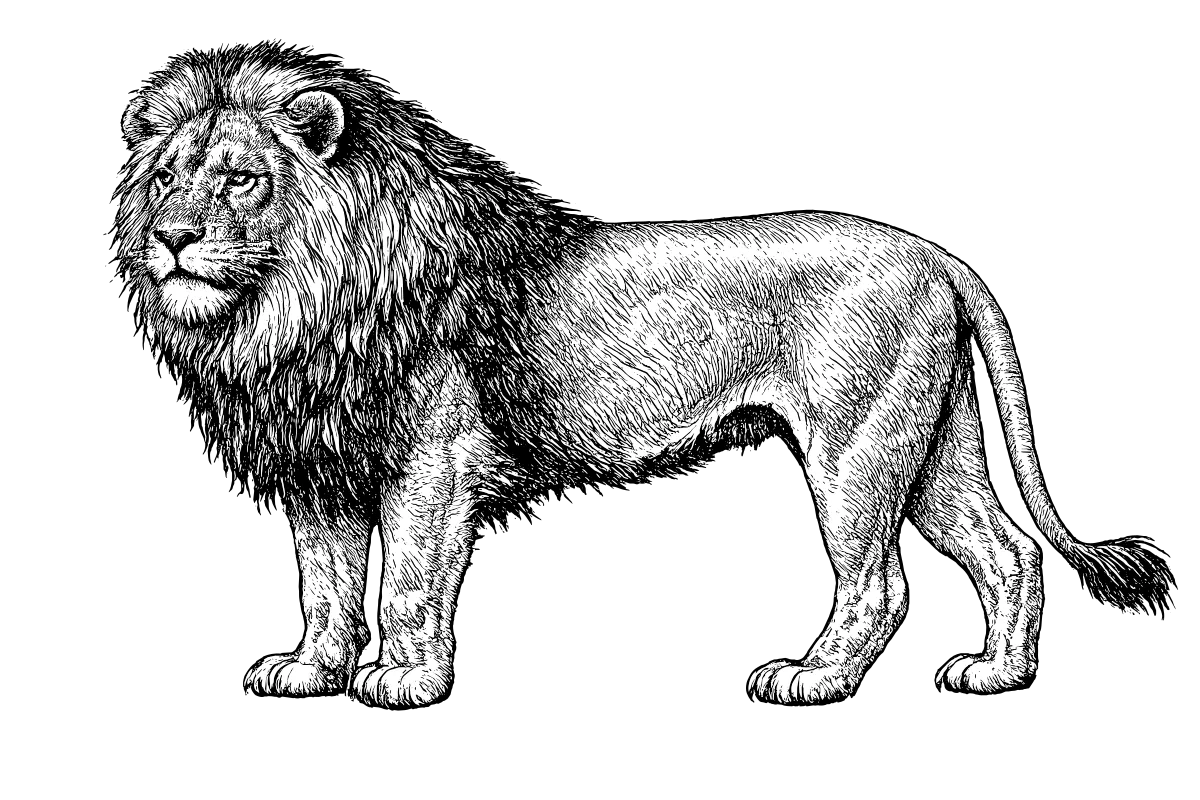
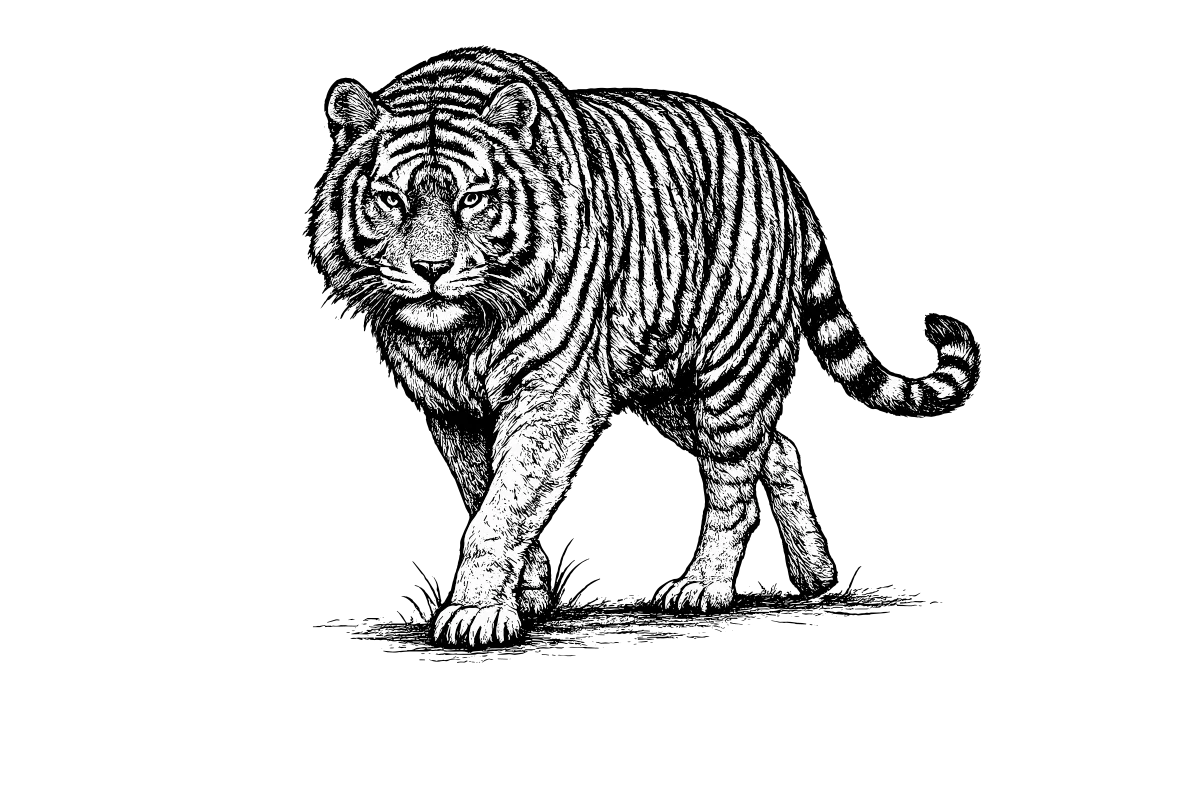
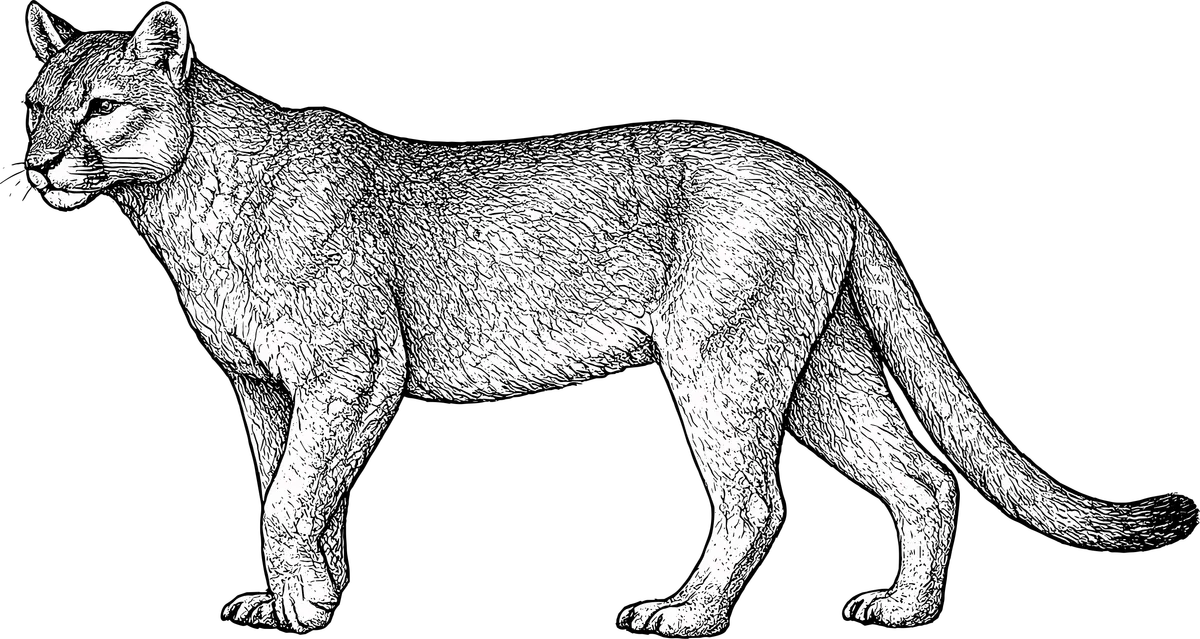
Kin & neighbors
Common questions
How fast can a cheetah really run?
The credible record is 61 mph over a measured course (a captive cheetah, Sarah, in 2012); top speed in the wild is often cited at 70 but rarely measured cleanly. A hunt is not run flat-out — the cheetah accelerates faster than a sports car, hits peak speed in three or four seconds, and almost always finishes within twenty seconds and a few hundred meters. Hold the throttle longer and the cat overheats.
What is the difference between a cheetah and a leopard?
Build, marking, and posture. A cheetah is taller and narrower, with a small head, long thin legs, solid round spots, and a black 'tear line' down each cheek. A leopard is heavily muscled, stockier, with rosette markings (open black rings around a tawny center) and no tear lines. Behaviorally the gap is wider: leopards drag kills into trees, hunt by ambush and at night, and are powerful climbers; cheetahs cannot lift their kills, hunt by daylight in open ground, and barely climb at all.
Why can't cheetahs roar?
The voice box. Roaring big cats — lion, tiger, leopard, jaguar — have a specialized larynx with a flexible hyoid; the cheetah's is rigid like a domestic cat's. So instead of roaring a cheetah chirps (a bird-like high note used to call cubs), purrs continuously, hisses, and yowls. Mechanically the cheetah is grouped with the small cats; the 'big cat' label is descriptive, not anatomical.
Can cheetahs be tamed or kept as pets?
Tamed yes, domesticated no, and pet-keeping is a disaster on both sides. Cheetahs have been hunted with by humans for over 4,000 years — Mughal emperors kept hundreds, the Egyptians and Sumerians used them as coursing animals — and individuals can be raised by hand to be calm around people. They are also illegal almost everywhere as private pets, prone to obesity and disease in captivity, and the demand for cubs has driven a Gulf-state smuggling trade that is currently the largest single threat to wild Horn of Africa populations.
Why are cheetahs endangered?
A combination of bad inheritance and bad neighbors. A genetic bottleneck around 10,000 years ago left the species with extremely low genetic diversity — modern cheetahs can accept skin grafts from any other cheetah without rejection — and that translates to low fertility and high cub mortality from disease. Add habitat loss, lions and hyenas killing roughly 70% of cubs before independence, retaliatory killing on farmland, and the cub-trafficking trade, and the wild total has dropped under 7,000.