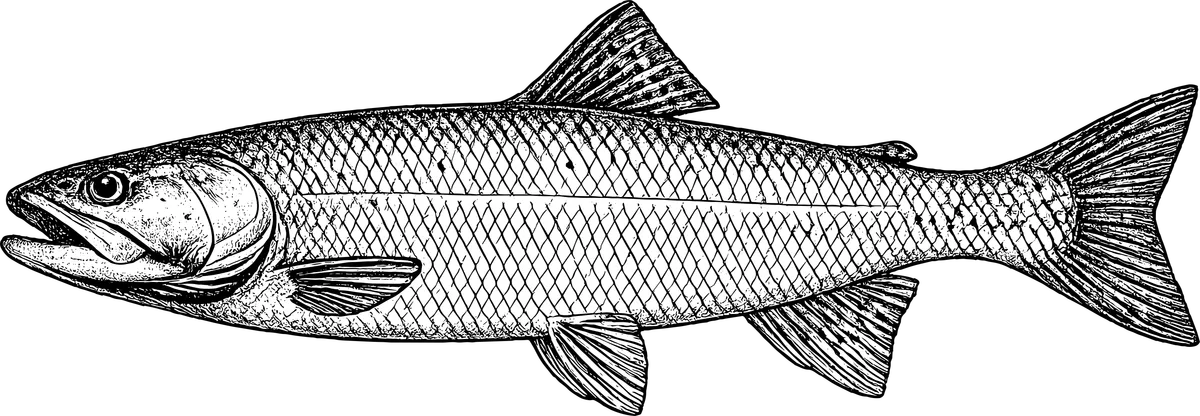
Cutthroat Trout
Oncorhynchus clarkii
The native trout of the American West, marked by a slash of orange-red under the jaw. Fourteen subspecies, one continent, and a story that mirrors the recovery of the Western wild itself.
Browse the Woodcut Wild shop →Habitat
Cutthroats are creatures of cold, clear western water — high mountain streams, beaver-pond meadows, alpine lakes, and (for sea-run subspecies) coastal estuaries. The Lahontan cutthroat of the Great Basin desert lakes is one of the more remarkable native fish on the continent, adapted to high-alkaline water that would kill most salmonids.
Behavior
Cutthroats feed opportunistically on aquatic insects, terrestrials, and smaller fish, with the big lake-dwelling subspecies (Lahontan, Yellowstone) becoming heavily piscivorous as they grow. Spawning happens in spring in clean gravel runs of feeder streams. Where introduced rainbow trout have invaded native cutthroat range, the two species hybridize freely, producing the so-called 'cuttbow' — a major conservation pressure that has reduced genetically pure cutthroat populations across much of the West.
Marginalia
- Named for the orange-red 'slash' marking under the lower jaw — the most reliable field mark separating cutthroats from rainbows.
- Designated the state fish of seven U.S. states: Colorado, Idaho, Montana, Nevada, New Mexico, Utah, and Wyoming. No other native fish comes close.
- The Lahontan cutthroat is the largest cutthroat subspecies — historical records from Pyramid Lake, Nevada document fish over 40 pounds.
- Where wild cutthroats survive, they're often a measurement of the watershed: clean cold water, intact riparian habitat, and the absence of introduced rainbow trout.
- Lewis and Clark first described the species in 1805 near the Great Falls of the Missouri, and the scientific name honors William Clark.
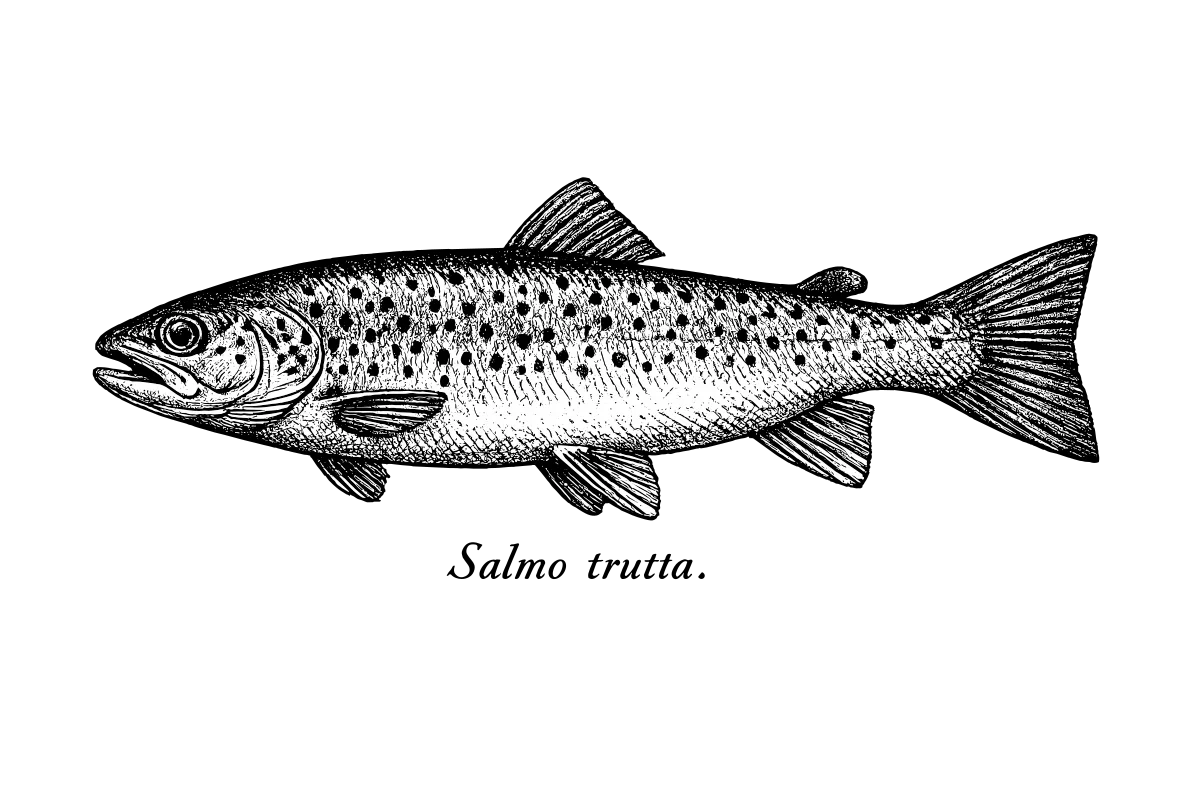
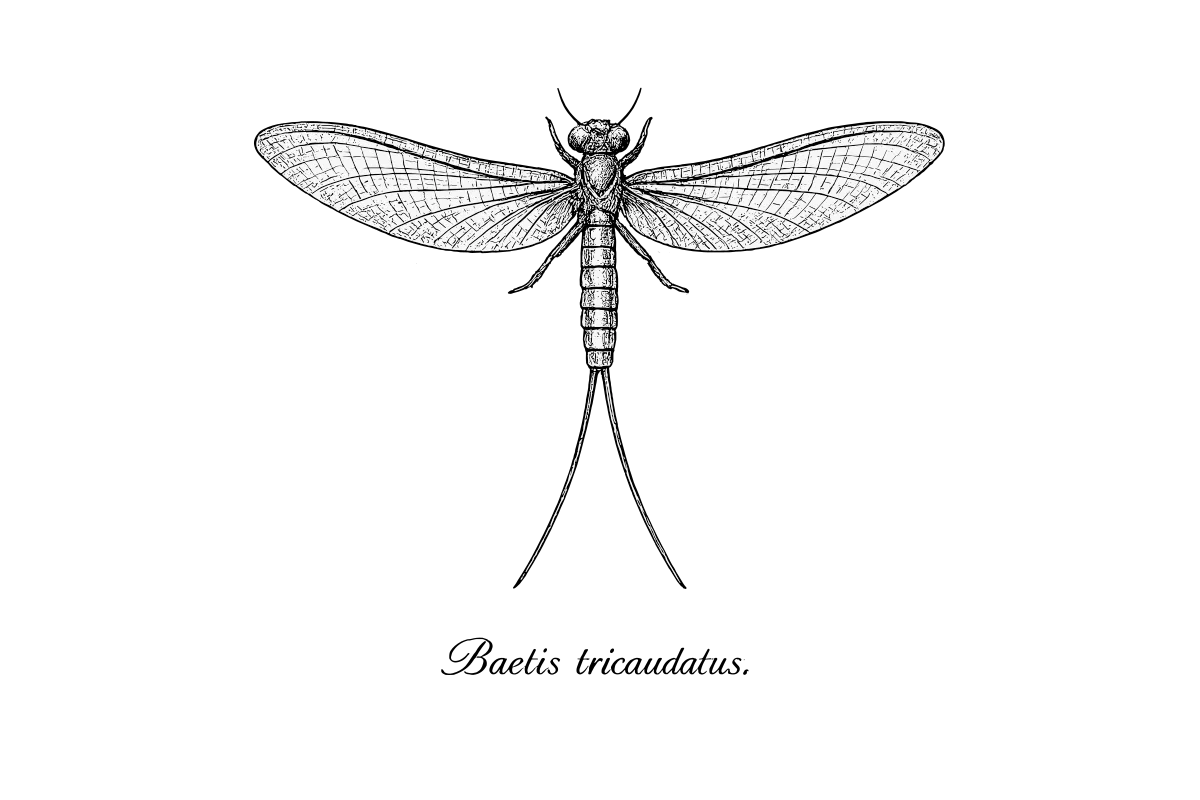
Kin & neighbors
Common questions
How do you catch a cutthroat trout?
More forgivingly than most trout. Cutthroats have a reputation as the least suspicious of the western trout — quicker to rise, slower to refuse — which makes them a favorite of beginners and dry-fly anglers alike. An attractor dry drifted over likely water will often do what a careful imitation has to do for a brown.
Are cutthroat trout good to eat?
They are — mild and pink-fleshed — which is exactly the problem. Many of the best cutthroat waters are now catch-and-release, because these are native fish whose numbers have been worn down for a century. Most anglers who know them keep their hands wet and let them go.
How long do cutthroat trout live?
Longer than you might guess for a fish so often small. Stream cutthroats may see only four or five years, but the big lake fish grow slowly and live well past ten. Cold water buys them time — everything runs slower in it, the fish included.
What eats cutthroat trout?
Nearly everything larger that shares the water. Ospreys and eagles take them from above, otters and mink from the banks, and bigger fish — including introduced trout — from below. In the Yellowstone country, spawning cutthroats are a spring feast for grizzlies and a long list of birds.
When is the best time to fish for cutthroat trout?
Summer into early fall, once the high water has dropped and cleared. That is when terrestrials — hoppers, ants, beetles — are falling onto the surface and the fish are looking up for them. Spring can be excellent too, though fish on the spawn are best left alone to get on with it.