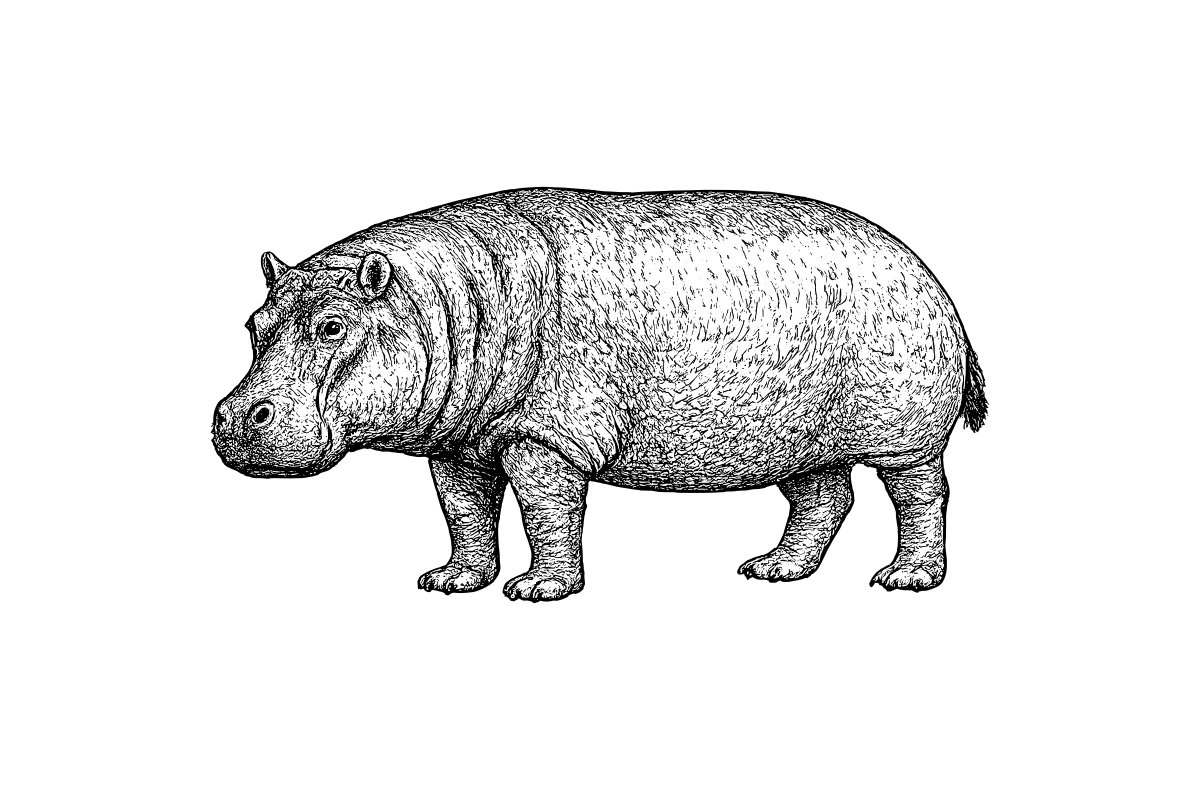
Hippopotamus
Hippopotamus amphibius
Africa's deadliest large mammal, and the closest living relative of whales. A three-ton, mostly-aquatic herbivore that spends the day submerged in a river, comes out at night to graze for thirty miles, and kills more people every year than lions, crocodiles, and elephants combined.
Browse the Woodcut Wild shop →Habitat
Hippos live in rivers, lakes, and swamps across sub-Saharan Africa, never far from water deep enough to submerge in. They spend the heat of the day floating, sleeping, and breeding in pods of ten to thirty animals, and at dusk leave the water to walk well-worn paths inland to graze. Their range tracks the availability of permanent water more than any other African mammal.
Behavior
Hippos are obligate grazers, mowing through 80 pounds of grass a night with leathery lips and broad incisors, then returning to water by dawn. The pod is presided over by a dominant bull who guards a stretch of river and tolerates other males only at the edges; fights between bulls — slashing with the lower canines, which are sharpened by grinding against the upper teeth — are brutal and frequently fatal. Females and young form the core of the pod. A hippo on land, especially between a person and the water, is the most dangerous animal in Africa for someone on foot.
Marginalia
- The closest living relatives of whales are hippos; the split from a common semi-aquatic ancestor happened roughly 55 million years ago.
- A hippo's hide is nearly two inches thick over the flanks and accounts for about a quarter of total body weight, making the animal essentially armored against everything except another hippo's tusks.
- The lower canines grow continuously, reaching over 20 inches in old bulls, and are sharpened by grinding against the smaller upper canines during the chewing motion.
- Hippos can stay submerged for around five minutes and have valves in their nostrils and ears that close automatically as they go under.
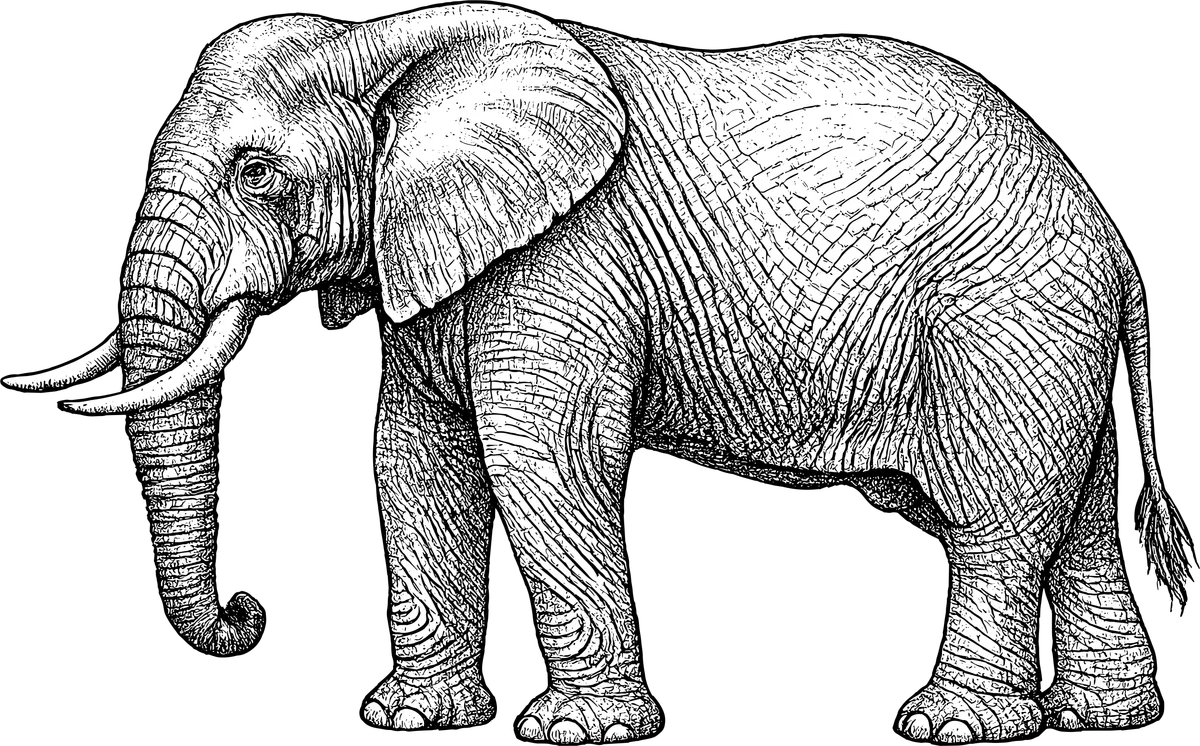
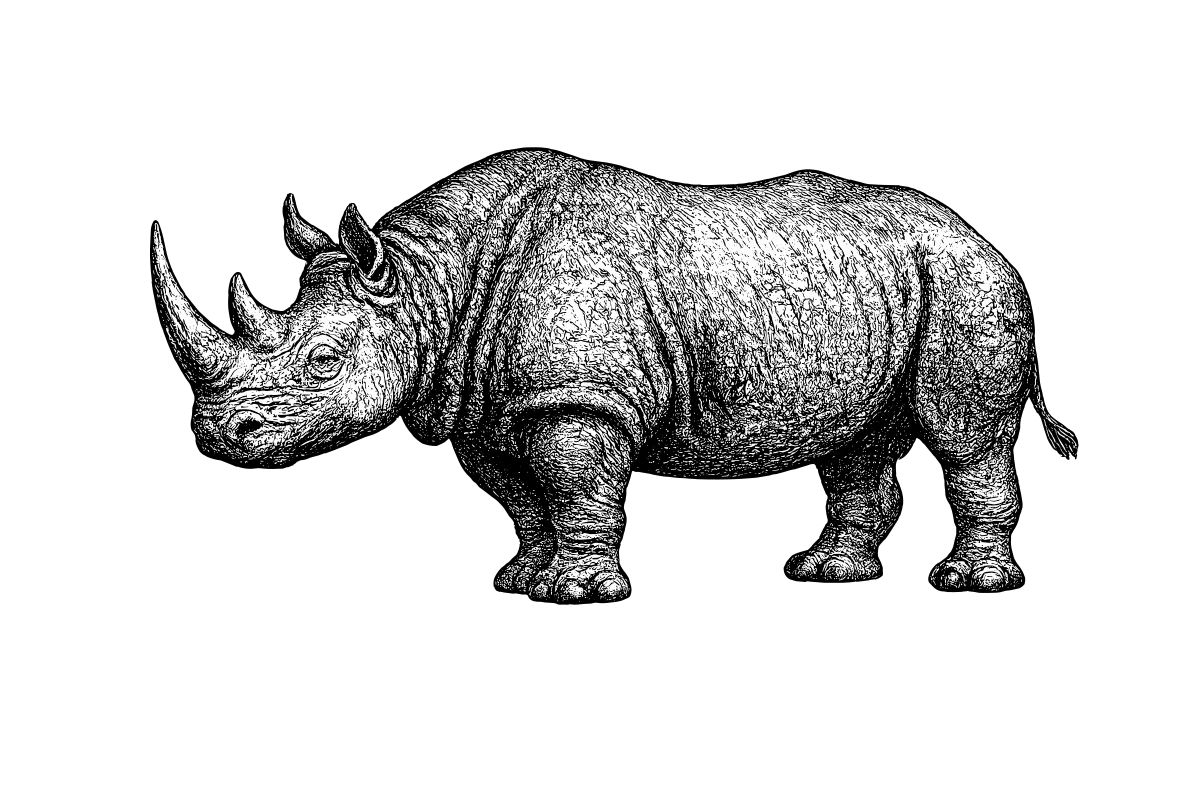
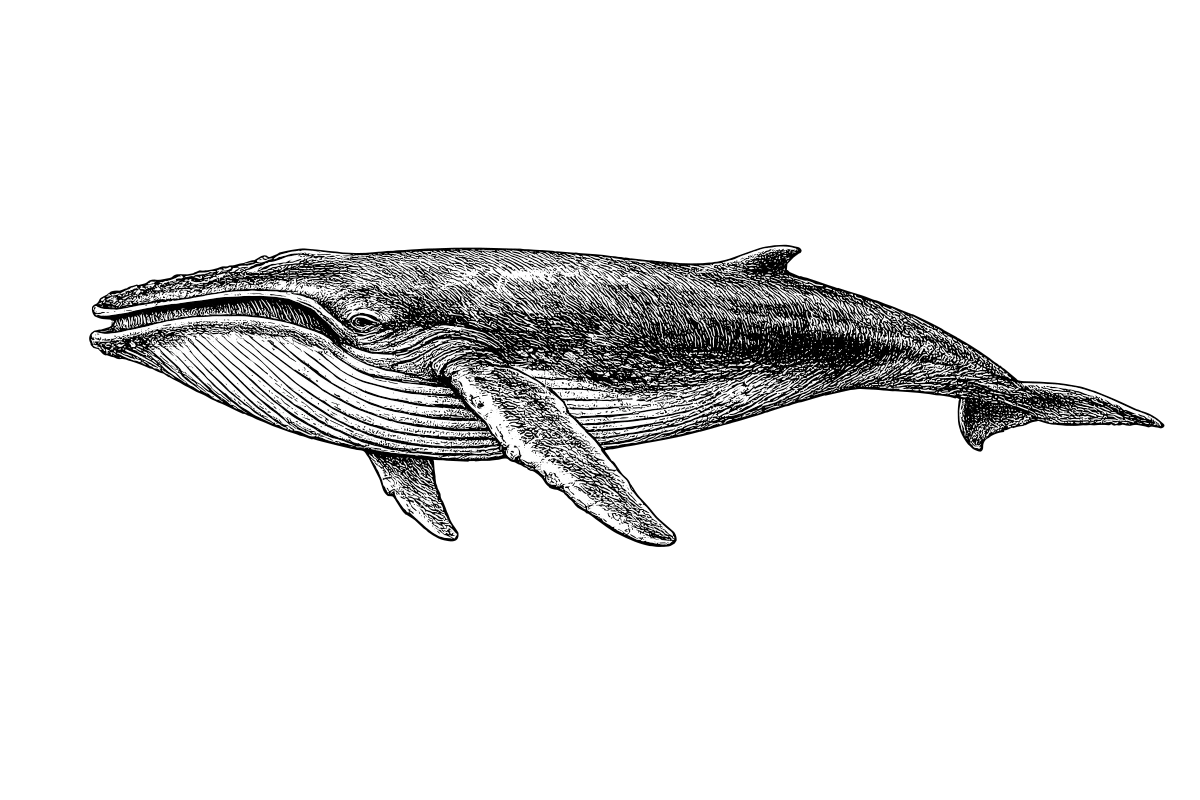
Kin & neighbors
Common questions
Why are hippos so dangerous?
Because they are large, fast, territorial, and willing to attack on land or in water with no warning. A bull defending a stretch of river will overturn a small boat; a cow on land protecting a calf will charge anything between her and the water. Hippos can outrun a person over short distances, the canines deliver wounds that are essentially un-survivable in the bush, and the combination kills somewhere around 500 people a year across Africa — more than any other large African mammal.
Can hippos swim?
Not really. Despite spending most of their lives in water they are too dense to float and don't swim in any meaningful sense — they walk and bounce along the bottom in slow, weightless strides, pushing off to surface for breath every three to five minutes. A sleeping hippo surfaces automatically to breathe without waking. Calves can be born underwater and must swim up to take their first breath.
Are hippos really related to whales?
Yes, and closely. Hippos and cetaceans (whales, dolphins, porpoises) split from a common ancestor around 55 million years ago and remain each other's closest living relatives — a relationship that surprised mammalogists when DNA finally settled it in the 1990s. Shared traits include hairless skin, no sebaceous glands, internal testes, vocal communication underwater, and the ability to give birth and nurse in water.
Is hippo sweat really pink?
Yes, more or less. Hippos secrete a viscous fluid from glands across the skin that starts colorless, turns reddish-orange within minutes, and brownish over hours — the source of the old 'blood sweat' story. It is not blood and not sweat; it is a homemade sunscreen and antibiotic, with two pigments (hipposudoric and norhipposudoric acid) that block UV light and inhibit bacterial growth. A hippo without a regular soak begins to crack.
How fast can a hippo run?
Around 19 to 25 mph in a short charge — faster than a person, faster than most assume a three-ton animal could be, and fast enough that the standard advice to run uphill in a zigzag is less useful in practice than it sounds. They cannot sustain it long, but they don't need to; the ambush distances between a grazing hippo and the nearest cover are usually short.