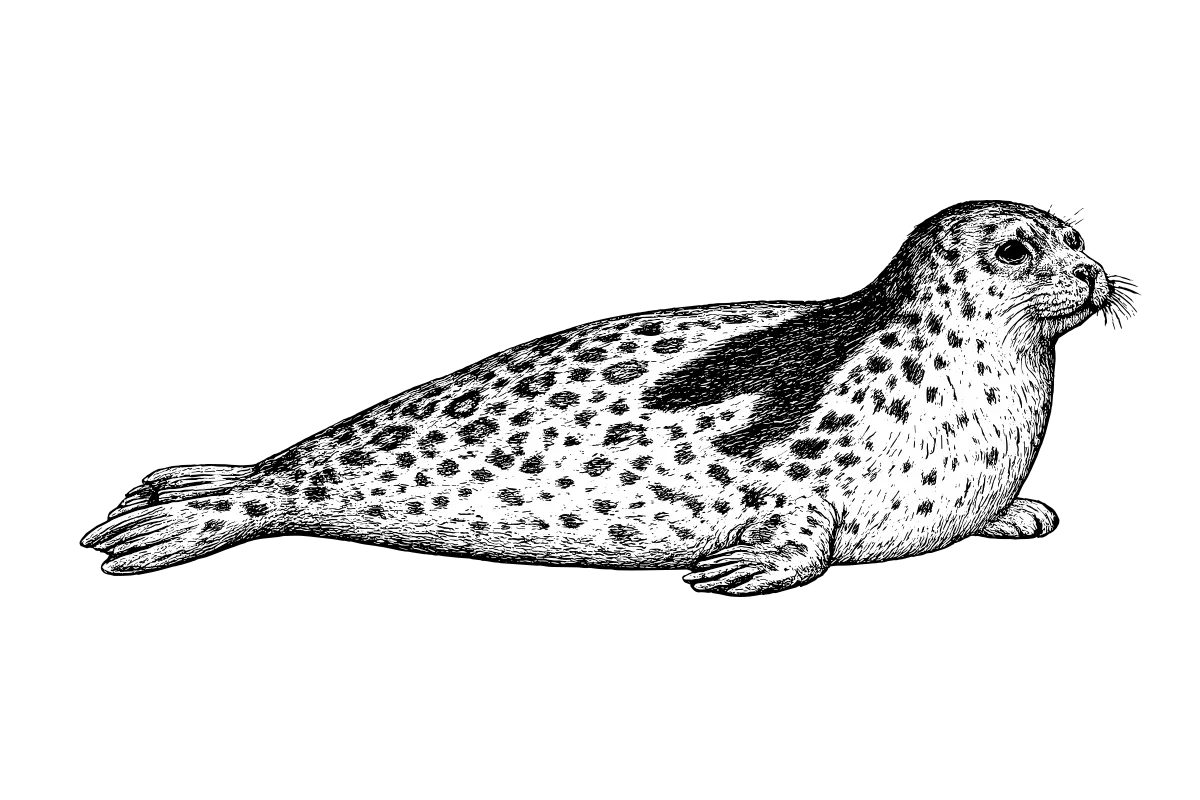
Harp Seal
Pagophilus groenlandicus
An ice-dependent North Atlantic seal famous for its snow-white pups. The harp seal's life cycle is built around pack ice — pups are born on it, nursed on it for less than two weeks, then left on it to fend for themselves.
Browse the Woodcut Wild shop →Habitat
Harp seals are pelagic ice-edge animals, spending most of the year hunting in the open North Atlantic and Arctic Ocean and gathering by the hundreds of thousands on drifting pack ice to whelp, molt, and breed. The three main populations use the Gulf of St. Lawrence and the 'Front' off Newfoundland, the White Sea off northwest Russia, and the seas around Jan Mayen and Greenland.
Behavior
Adults dive to 300 meters or more, chasing capelin, Arctic cod, herring, and crustaceans, and can stay under for fifteen minutes. They are gregarious year-round but reach extreme concentrations during the late-winter pupping season, when females haul out by the thousand on ice floes. Each pup is born yellowish (briefly 'yellowcoats'), turns pure white within days, and is nursed for just 12 days on milk over 50% fat. The mother then leaves; the pup loses a third of its body weight before it learns to swim and feed itself.
Marginalia
- A harp seal pup gains weight from about 24 pounds at birth to 80 pounds in less than two weeks, doubling and tripling on milk so fat-rich it has the consistency of mayonnaise.
- The mother nurses for 12 days and then leaves; the abandoned pup may go six weeks without food before it can hunt, surviving on stored blubber.
- Adult harp seals can hold their breath for over 15 minutes and dive past 1,000 feet to catch capelin in the dark.
- The species' name *Pagophilus* means 'ice-lover' — the entire life cycle is wound around the timing of the pack ice.
Kin & neighbors
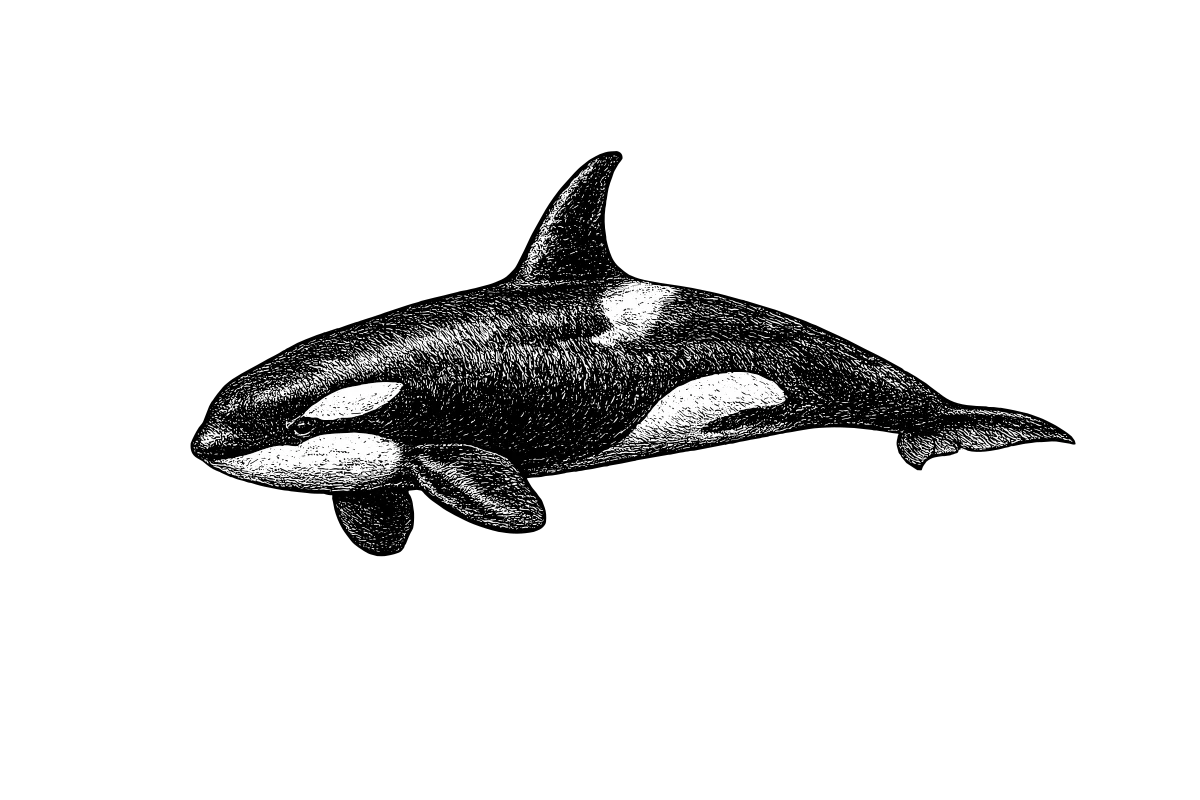
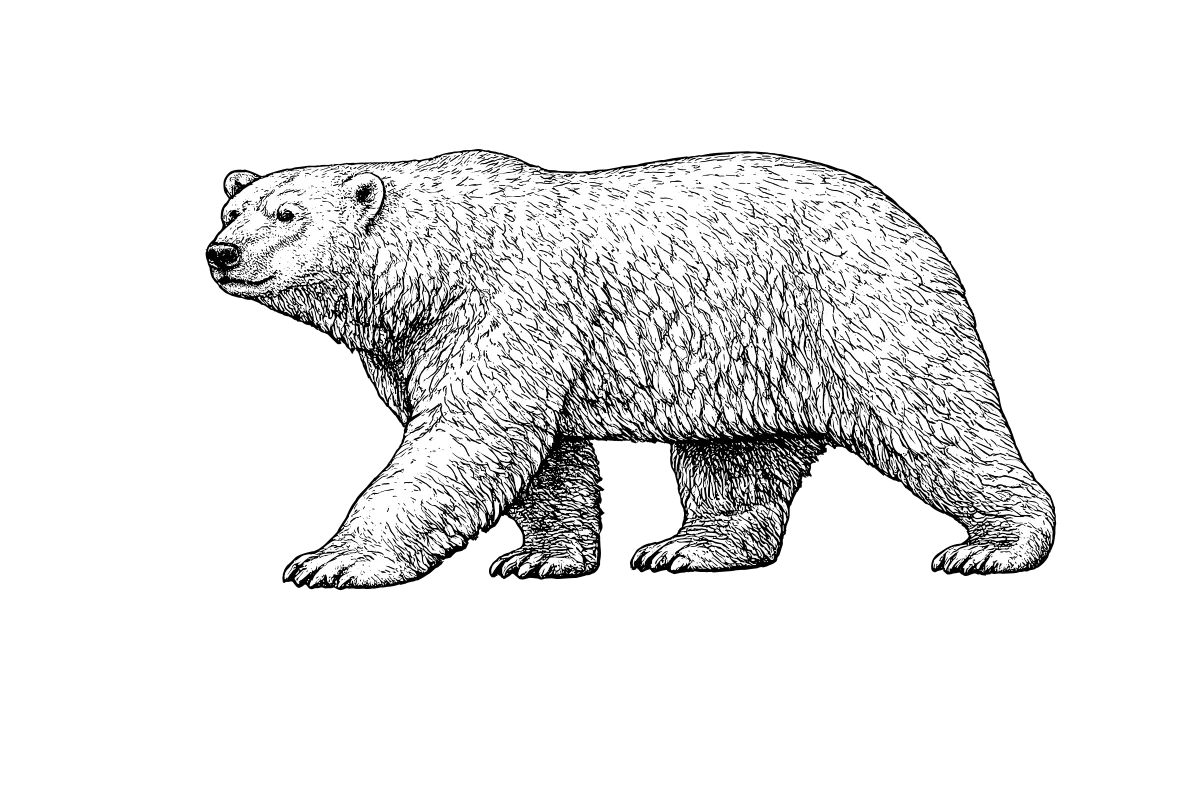
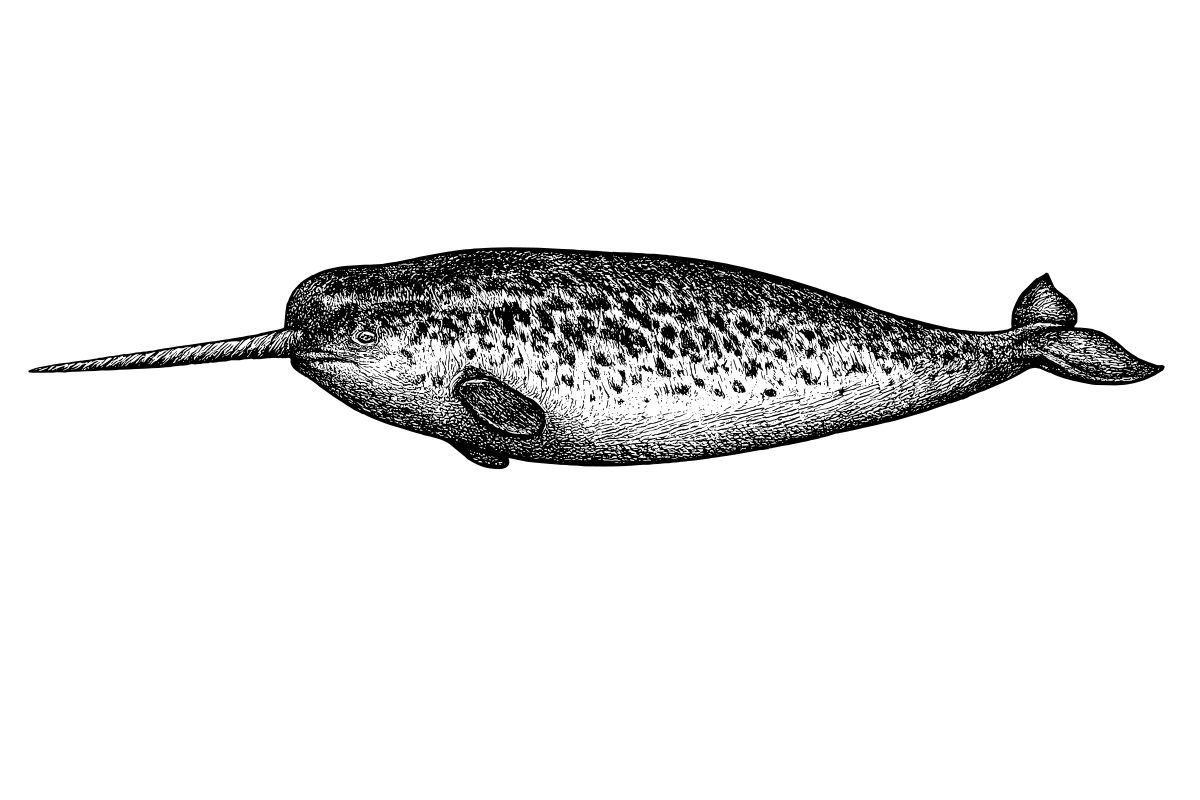
Common questions
Why are baby harp seals white?
Camouflage. The famous 'whitecoat' phase lasts only the first two to three weeks of life, when the pup is stranded on bright pack ice and cannot yet swim — invisibility against the snow is its only defense against polar bears and the occasional Greenland shark. As soon as the pup begins to molt and head for water, the spotted silver-grey adult pattern takes over.
When do harp seals lose their white coats?
Between three and four weeks old, in a stage-by-stage molt. The whitecoat sheds into a patchy grey 'ragged-jacket,' then into a smooth silver-grey 'beater' (named for the way it slaps the water learning to swim), and over the next several years gradually develops the dark harp-shaped saddle marking on the back that gives the species its name. Full adult coloration takes five years or more.
Are harp seals still hunted?
Yes, primarily in Canada and Norway under quota, with smaller subsistence takes in Greenland and Russia. The annual commercial hunt is dramatically smaller than in its mid-20th-century peak and is now restricted to seals older than the whitecoat stage — killing whitecoats has been banned in Canada since 1987 and in the EU since 2009, and EU import bans on seal products since 2010 have collapsed most of the market. The hunt remains politically charged.
Do harp seals live alone or in groups?
In groups, but loose ones. Outside of the breeding and molting concentrations on ice, harp seals are widely dispersed across the North Atlantic — gregarious at hauls, solitary at sea. The late-winter gatherings on the pupping ice, with mothers nursing pups packed shoulder-to-shoulder for miles, are the most concentrated aggregations of any seal species.
Are harp seals endangered?
Listed Least Concern, with a global population somewhere around 7.6 million — the most numerous large North Atlantic seal. The pressure on the species is not hunting but ice: poor ice years in the Gulf of St. Lawrence have caused near-total pup mortality, and a warming Arctic threatens the entire reproductive strategy of giving birth on stable pack ice.