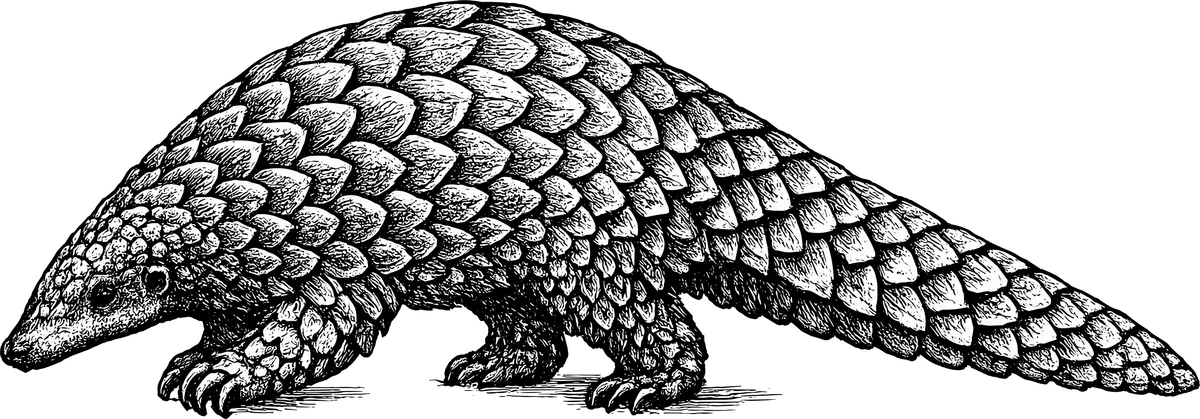
Ground Pangolin
Smutsia temminckii
A scaled, ant-eating mammal that walks on its hind legs with a heavy tail as counterbalance. The southern African pangolin — and one of the most trafficked, most endangered, most extraordinary mammals on Earth.
Browse the Woodcut Wild shop →Habitat
Ground pangolins inhabit dry savanna, scrubby grassland, and open woodland across southern and eastern Africa. They avoid dense forest and need soft enough soil to dig — by night for ants and termites, by day for the burrows they sleep in. They will occupy aardvark burrows or excavate their own, sometimes several yards underground.
Behavior
Almost entirely nocturnal and solitary. Ground pangolins walk on their hind legs with the body angled forward and the long, heavy tail trailing as counterbalance, the small forelimbs tucked against the chest. They feed by tearing open termite mounds and ant nests with curved foreclaws and lapping up insects with a tongue that, like all pangolins, can be longer than the body and is anchored deep in the abdomen near the pelvis. When threatened, they curl into a tight ball — overlapping keratin scales facing outward — armor that defeats lions and hyenas but offers no protection against poachers.
Marginalia
- Pangolins are the most-trafficked mammal in the world. Scales are sold into traditional medicine markets despite being made of keratin — the same inert protein as human fingernails.
- Ground pangolins walk bipedally most of the time, using their tail as a counterbalance — a gait shared with very few other mammals.
- A pangolin's sticky tongue is anchored at the pelvis and can extend longer than its head and body combined.
- A single pangolin can consume up to 70 million ants and termites a year, regulating insect populations across its home range.
- The defensive ball, while perfect against natural predators, makes pangolins trivially easy for humans to pick up — a vulnerability that has driven all eight pangolin species toward extinction.
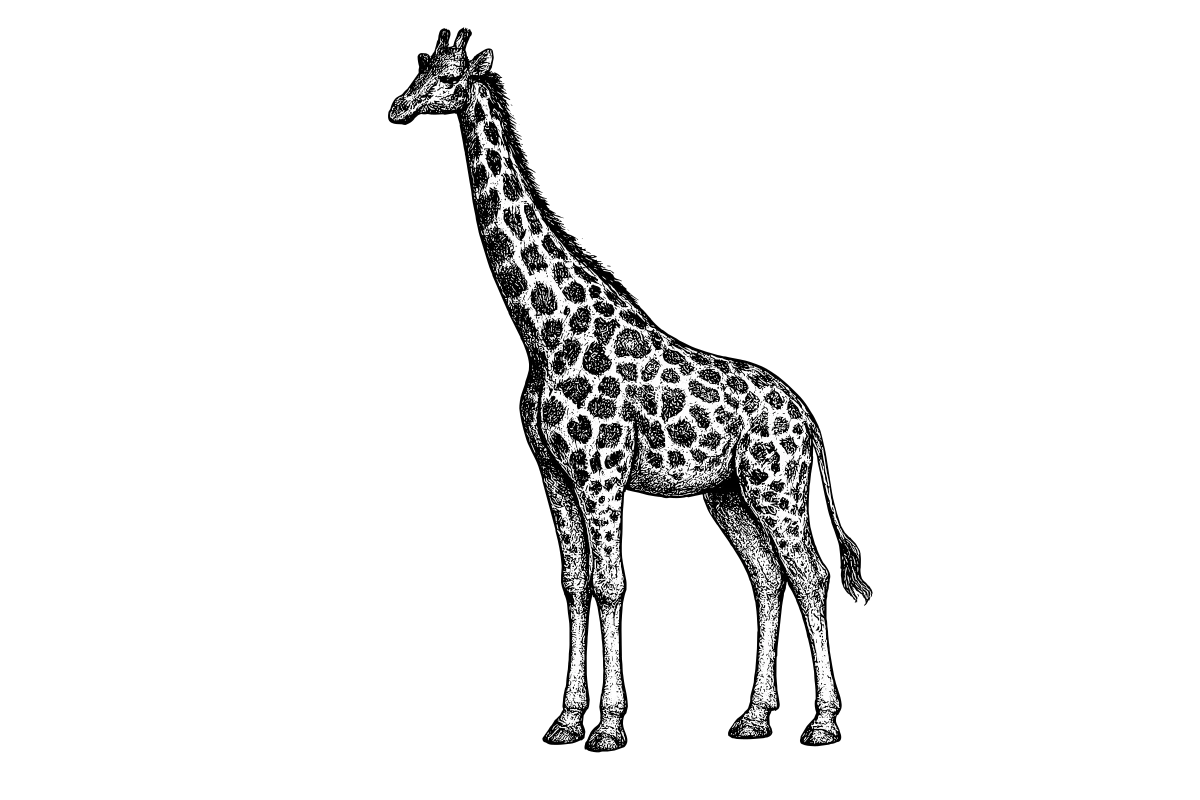
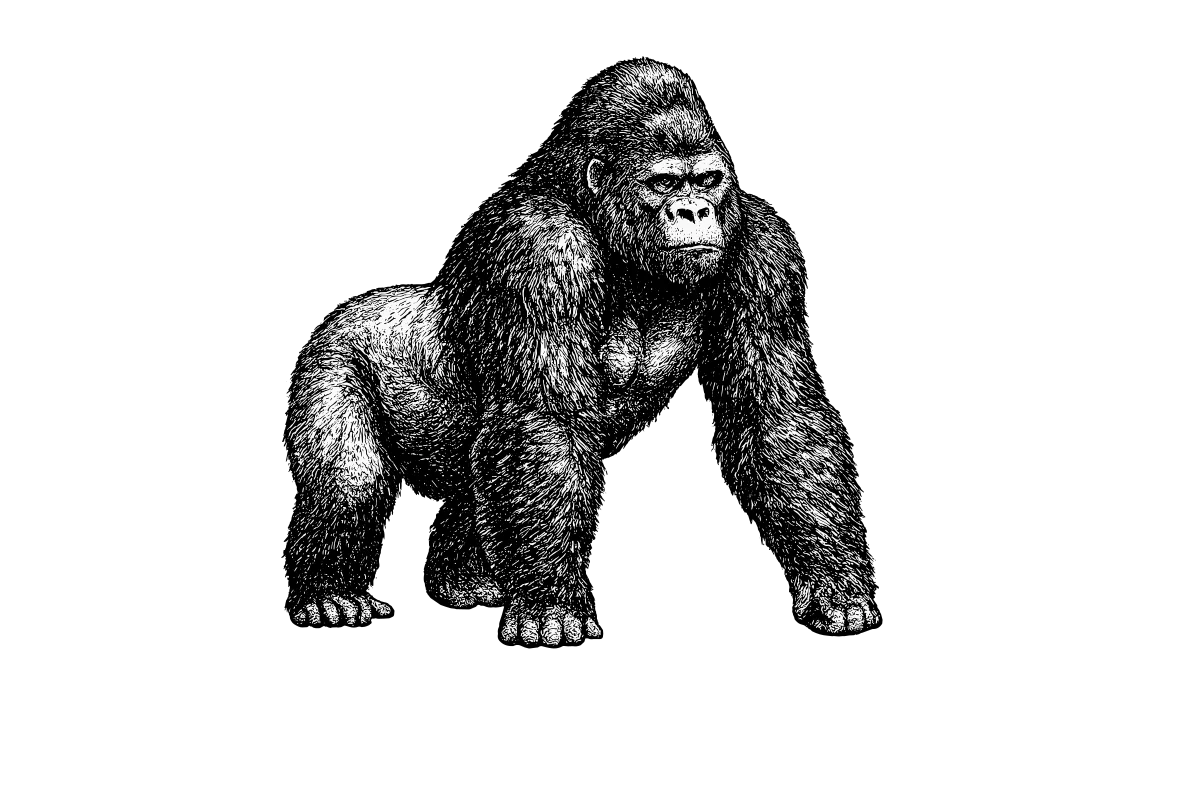
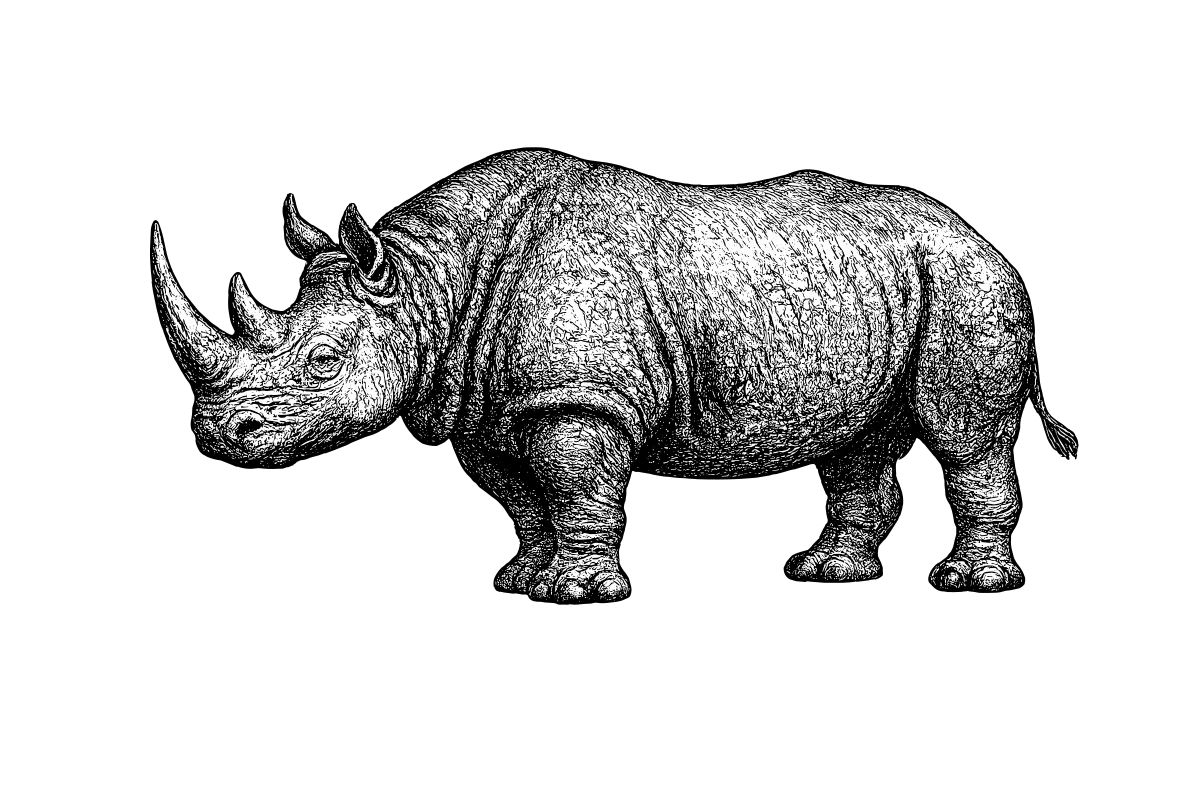
Kin & neighbors
Common questions
Do pangolins have teeth?
None at all. They cannot chew, so they swallow small stones and sand along with their prey, and a muscular, keratin-spined stomach grinds the insects much as a bird's gizzard does. The lack of teeth is part of why the long sticky tongue and a stomach that does the chewing both evolved.
Are pangolins related to anteaters and armadillos?
No — and that is one of evolution's better tricks. Pangolins, anteaters, and armadillos all eat ants, dig with heavy claws, and roll or armor up, yet pangolins are a lineage of their own, closer to cats and dogs than to any New World anteater. The resemblance is convergence: similar diets shaping unrelated animals into similar tools.
What does a baby pangolin look like?
A miniature with soft scales. A single 'pangopup' is born with pale, pliable scales that harden over the first days, and it rides on the base of the mother's tail when she forages, sliding underneath and into her protective curl at the first sign of danger. It is weaned at a few months but may ride for longer.
How long do pangolins live?
Poorly understood, because they fare so badly in captivity, but wild ground pangolins are thought to live roughly fifteen to twenty years. Their secretive, nocturnal lives and the difficulty of keeping them alive outside the wild mean most lifespan figures are estimates rather than long-term records.
What animals prey on pangolins?
In the wild, very few succeed. Lions, leopards, and hyenas will test a balled-up pangolin and almost always give up against the overlapping scales; the armor is built precisely for them. The pangolin's real predator is human — the natural defenses that defeat a lion are exactly what make the animal easy to simply pick up.