Field note · May 13, 2026
Joey, Eaglet, Pangopup: A Field Guide to Baby Animal Names
What we call the young of wild things — joeys, eaglets, owlets, paralarvae, leptocephali, pangopups. Some of these names are ancient, some are zoological, and some were invented yesterday.
Most baby animals don’t get their own word. A young elephant is a calf. So is a young giraffe, a young narwhal, a young moose, a young manatee. A young wolf is a pup, and so is a young pangolin, a young great white shark, and a young harbor seal. “Cub” covers bears, tigers, raccoons, and pandas. Three or four words do most of the work of naming the entire kingdom of immature mammals.
Then there are the exceptions — words that belong to one species, one family, or one branch of the tree of life. Joeys are marsupials and nothing else. Owlets are owls. Paralarvae are octopuses. Leptocephali are eels and tarpons and bonefish. The exceptions are where the language gets interesting, and where the natural history hides.
Joey — the marsupial inheritance
A joey is a young marsupial — the same word covers a kangaroo joey, a koala joey, a wombat joey, and would have covered the young of the Tasmanian tiger before it went extinct in 1936. The word is Australian English from the 19th century; its earlier etymology is unclear, possibly from an Indigenous Australian language and possibly from the personal name Joseph used as a generic. What the word captures is the singular biology of marsupials — animals whose young are born as nearly-fetal pink crawling things, climb into a pouch, and finish gestating outside the mother’s body. A joey is not a baby in the placental sense. It is a stage.
The diminutive endings
The suffix -let is Anglo-French, originally meaning “little” or “young.” An eaglet is a small eagle, an owlet is a small owl. Both words came into English in the 14th and 15th centuries and have outlived dozens of other animal diminutives that didn’t take (“foxlet,” “wolflet,” “hawklet” all attested but didn’t survive). The endurance of “eaglet” and “owlet” probably owes to both birds’ folkloric and heraldic importance: a small eagle on a crest was rendered specifically as an “eaglet” in medieval blazon.
A related diminutive, -ling, gives us “duckling,” “gosling,” “yearling” — and the modern paleontological term hatchling for the young of any reptile, bird, or dinosaur. Hatchling is a 20th-century coinage that filled an actual gap in the vocabulary.
Pangopup — the modern coinage
A pangopup is a baby pangolin. The word does not appear in any dictionary, has no historical pedigree, and was apparently coined by conservation organizations in the 2010s to humanize the world’s most-trafficked mammal. It worked: “pangopup” went viral in conservation media, replaced the earlier and less marketable “pup” in most publications about the animal, and now appears in scientific writing where decades ago it would have been considered unserious. Naming is a small political act. A pangolin baby is harder to traffic when it has its own dedicated, charming word.
Kits — mustelids and the other small carnivores
A wolverine baby is a kit. So is a baby ferret, mink, otter, beaver, and fox. The word is Middle English, originally meaning a young cat or any small animal; it shares a root with German Katze. The mustelid family in particular has held onto the term — possibly because the word fits the animal’s wiry, fast, small build at every life stage.
Bigger cats use a different word. A young mountain lion is a kitten — the same word used for domestic cats. The convention is consistent across the entire cat family: a baby tiger is technically a kitten as well as a cub, and “kitten” is the preferred scientific term in some felid literature. The familiar word does cross-species duty in a way that “puppy” does not.
Fry, parr, smolt — the salmonid life cycle
A brown trout is not a single animal but a sequence. The egg hatches into an alevin — still attached to the yolk sac, hiding in gravel. After absorbing the yolk it becomes a fry, free-swimming and feeding on plankton. After a few months it develops vertical stripes (parr marks) and becomes a parr. If it migrates to the sea — or to a lake, for some populations — it loses the parr marks, silvers up, and becomes a smolt. Only after returning from the marine phase does it become an adult.
This vocabulary applies to all salmonids and is unique to the family. The technical terms persist in fisheries science because the stages are biologically distinct, not arbitrary. A parr does not behave like a smolt does not behave like a fry.
Leptocephalus — the impossible larva
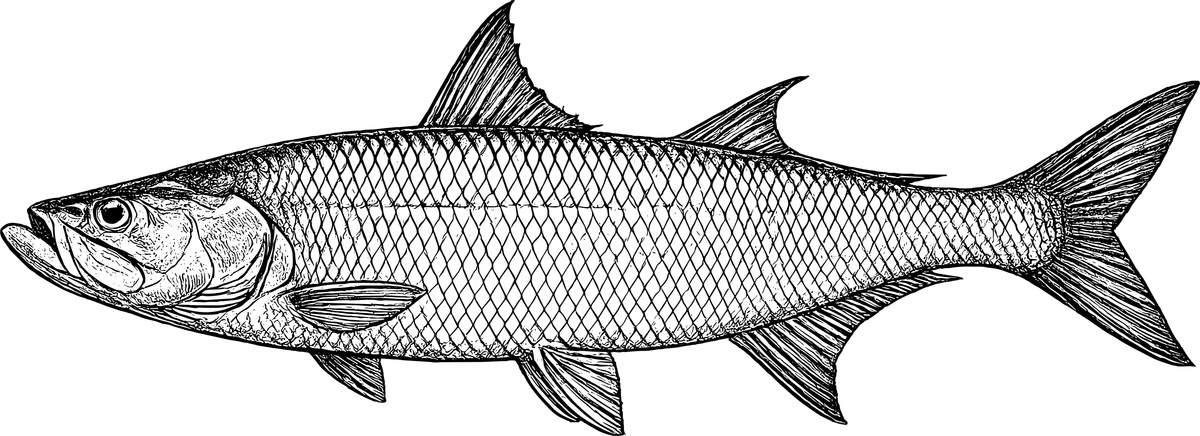
A young tarpon does not look anything like a tarpon. For its first months of life it is a leptocephalus — a transparent, ribbon-shaped, leaf-thin larva that drifts with ocean currents. The word means “thin-headed” in Greek. The leptocephalus form is shared by all members of the superorder Elopomorpha: eels, tarpons, bonefish, ladyfish. They drift for months — sometimes more than a year — before settling, metamorphosing, and becoming the adult fish their parents would recognize.
Leptocephali were considered a separate group of fish for most of the 19th century. Naturalists could not believe that the slim glassy ribbon and the muscular adult eel were the same animal. The connection was finally proven in 1896 when two Italian zoologists raised European eel leptocephali through metamorphosis in a tank.
The metamorphosis terms — larva, pupa, chrysalis, nymph
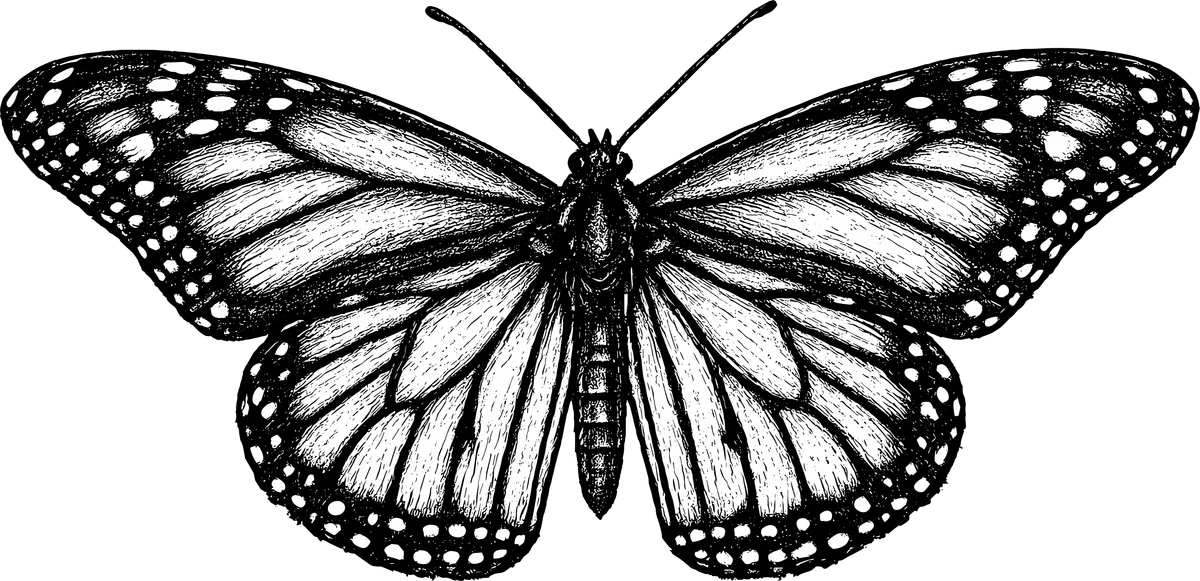
Insect babies have their own vocabulary entirely. A young honey bee is a larva for about six days, then a pupa for about twelve, then it emerges as an adult worker. A young monarch butterfly is a caterpillar (the common name for a butterfly or moth larva), then a chrysalis (the pupal stage, specific to butterflies — moths form a cocoon), then the imago, the adult butterfly. The whole sequence is called holometabolous development.
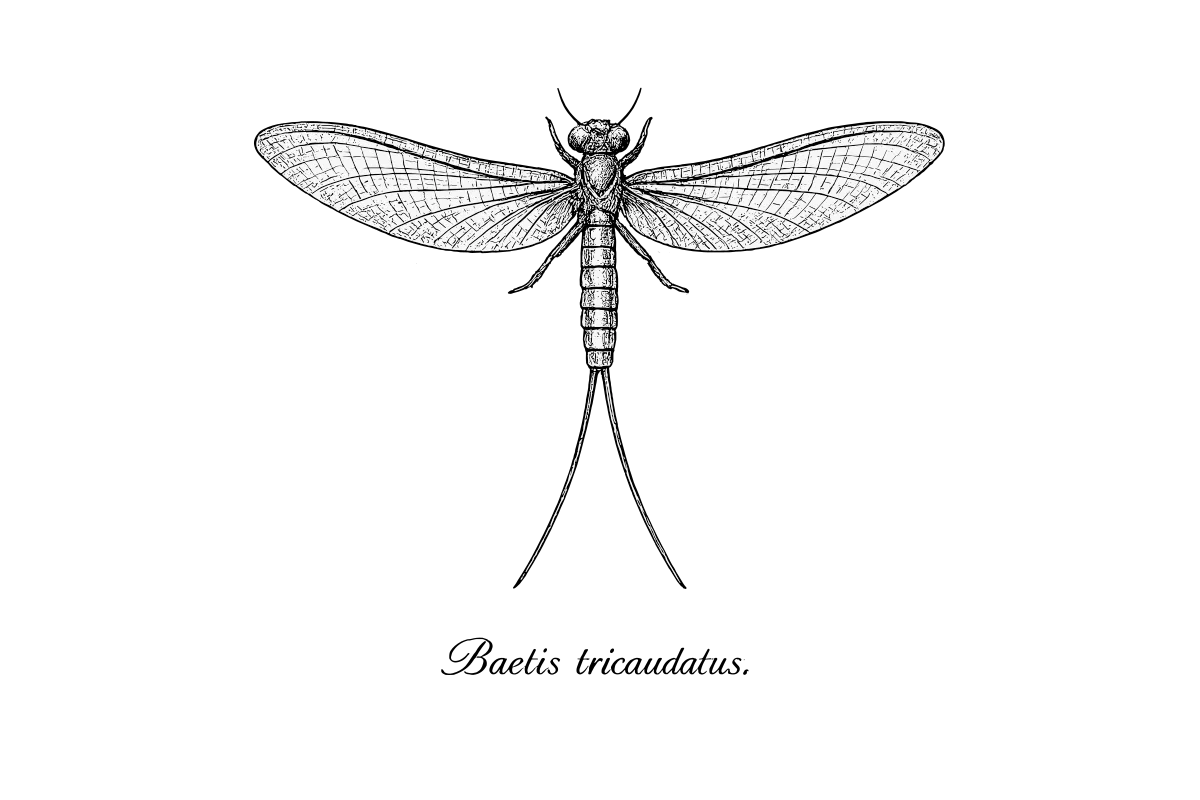
The Baetis mayfly follows a different pattern — incomplete metamorphosis. The young mayfly is a nymph, sometimes called a naiad (the Greek water-spirit), and lives in cold streams for almost its entire life, often years. The adult flying form lasts a single day. The word “nymph” was applied to insect young by 17th-century naturalists who noticed the resemblance to the female nature-spirits of classical myth — graceful, water-dwelling, transient.
Paralarva — the octopus oddity
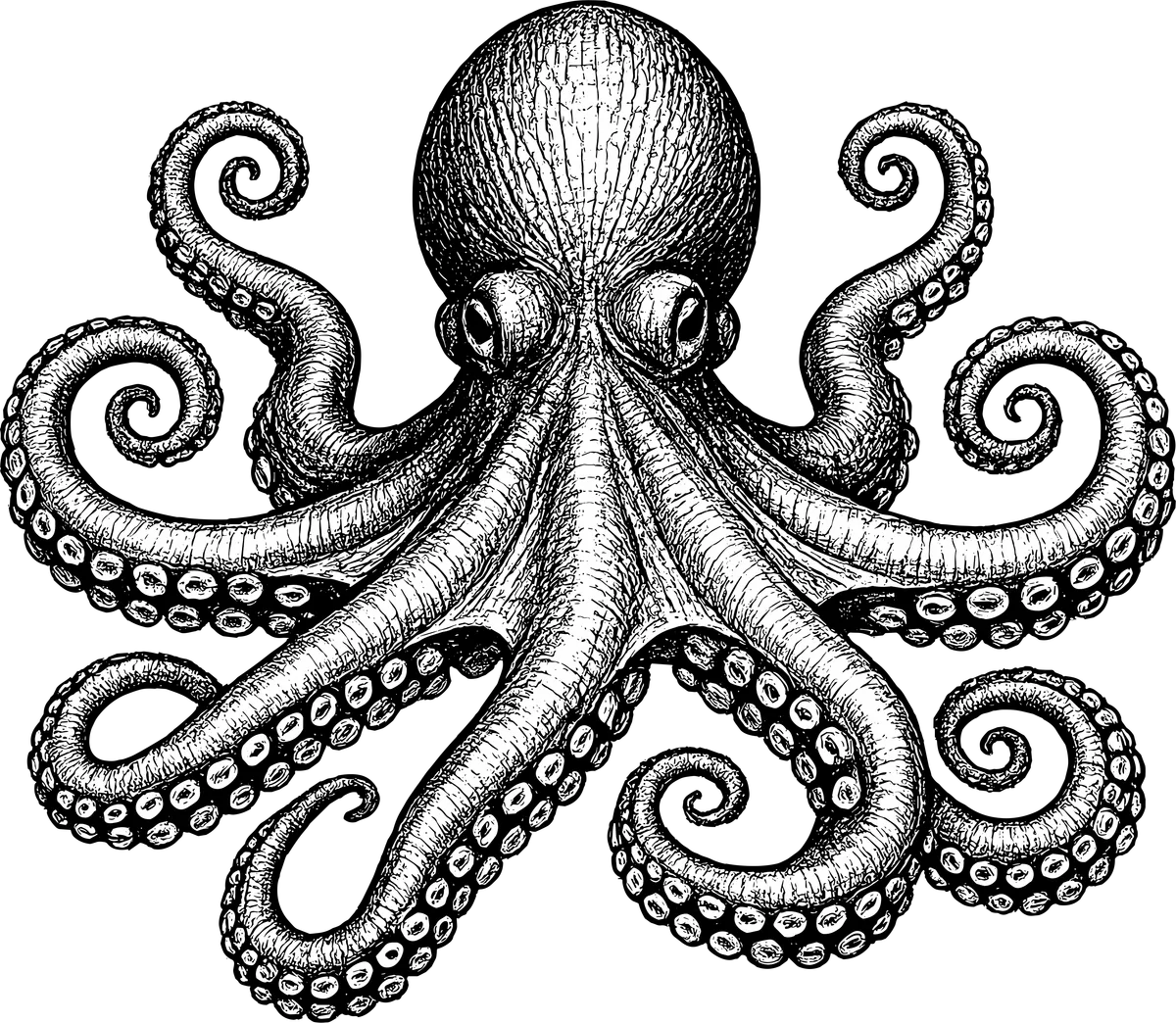
A young octopus is a paralarva — a planktonic juvenile that lives in the open ocean drifting among other plankton for weeks to months before settling on the seafloor to become an adult. The term distinguishes the octopus’s juvenile stage from a “true” larva (which undergoes metamorphosis); paralarvae look like miniature adults, just transparent and floating.
Octopus paralarvae have eight tiny tentacles, miniature beaks, and chromatophores capable of color change from birth. They are also one of the harder things in the ocean to keep alive in a lab. Most attempts to raise paralarvae through to the settling stage have failed. We still know less about octopus early life than about most other commercially fished species’ early life.
Fawn — the simple, perfect word
A young white-tailed deer is a fawn. The word is Old French faon, from Latin fētus — the same root that gives us “fetus” and “fetal.” A fawn is, etymologically, just “a young thing.” The word has resisted disappearance in a way that other generic terms have not, and has migrated into human use as a popular given name (Fawn) and a verb (to fawn over someone) carrying connotations of softness and youth.
The animal has also resisted disappearance. Of the species in this guide, white-tailed deer is one of the very few whose populations are larger now than they were when Europeans first arrived in North America.
The shared words — calf, cub, pup
What is left, then, is the shared vocabulary — the four or five words that cover most of mammalian young. Calf, cub, pup, kit, foal. These words are old. “Cub” is recorded in English from the 16th century with the modern meaning. “Pup” is from “puppy” via French poupée, “doll.” “Calf” is Old English cealf, Proto-Germanic, with cognates in nearly every European language. They have lasted because they were good enough — short, distinctive, and applicable across the species that humans actually husbanded and hunted.
The fancier words — leptocephalus, paralarva, pangopup, smolt — exist because the species they describe were either unusual, scientifically interesting, or recently brought into widespread cultural attention. The vocabulary tells you which animals humans have lived alongside long enough to bother giving the young a generic name, and which animals are still strange enough that their young needed a label of their own.
Wear the wild
The species illustrated on this site appear in our shop on heavyweight cotton — the adults, for now. The young, when their illustrations exist, will follow.
Species in this piece
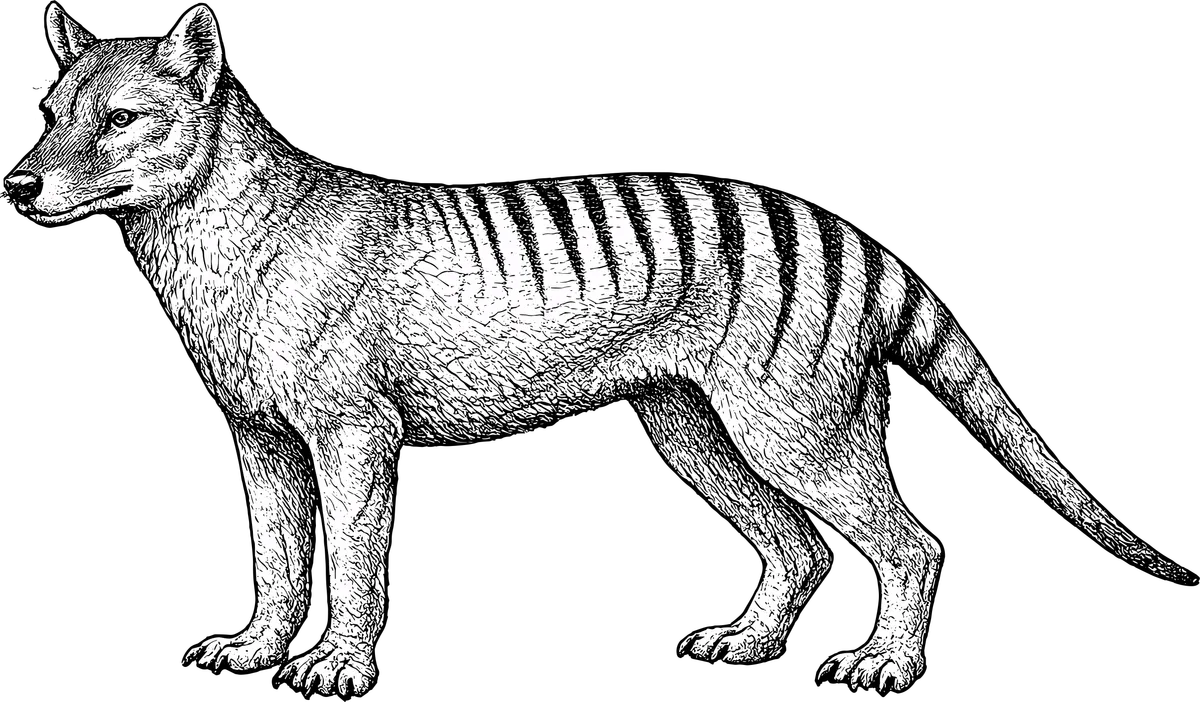
Tasmanian Tiger
Thylacinus cynocephalus
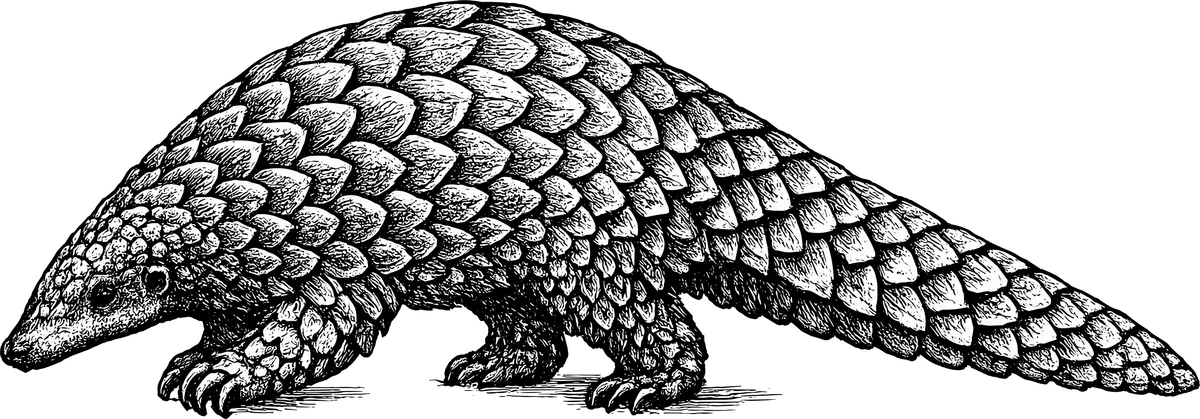
Ground Pangolin
Smutsia temminckii
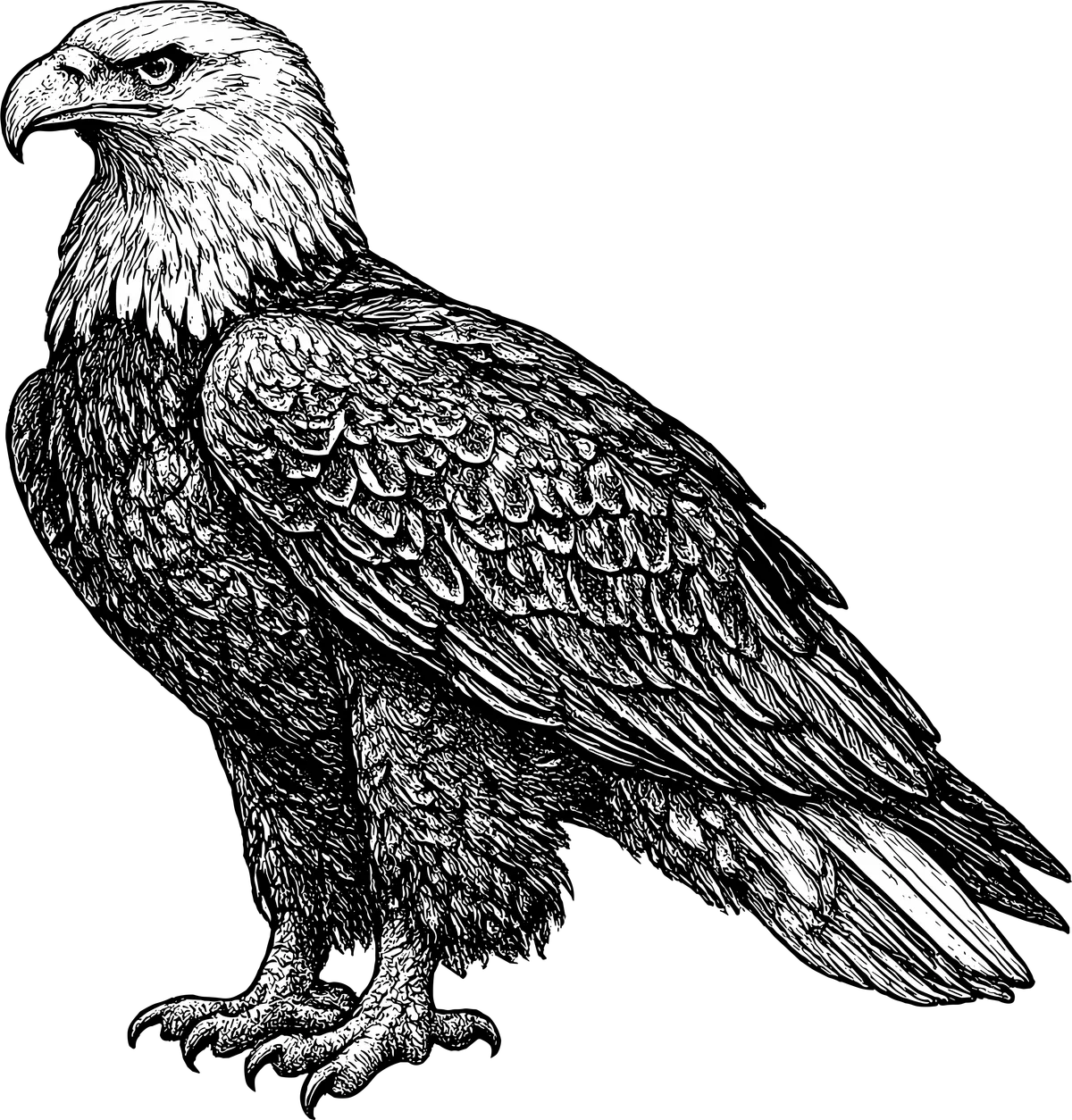
Bald Eagle
Haliaeetus leucocephalus
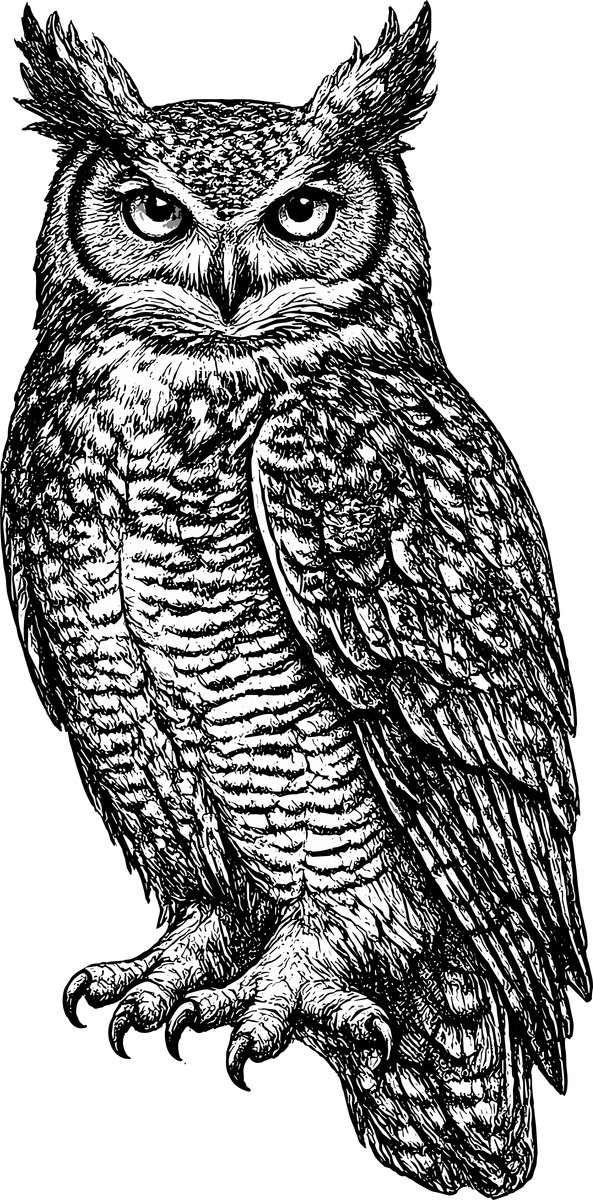
Great Horned Owl
Bubo virginianus
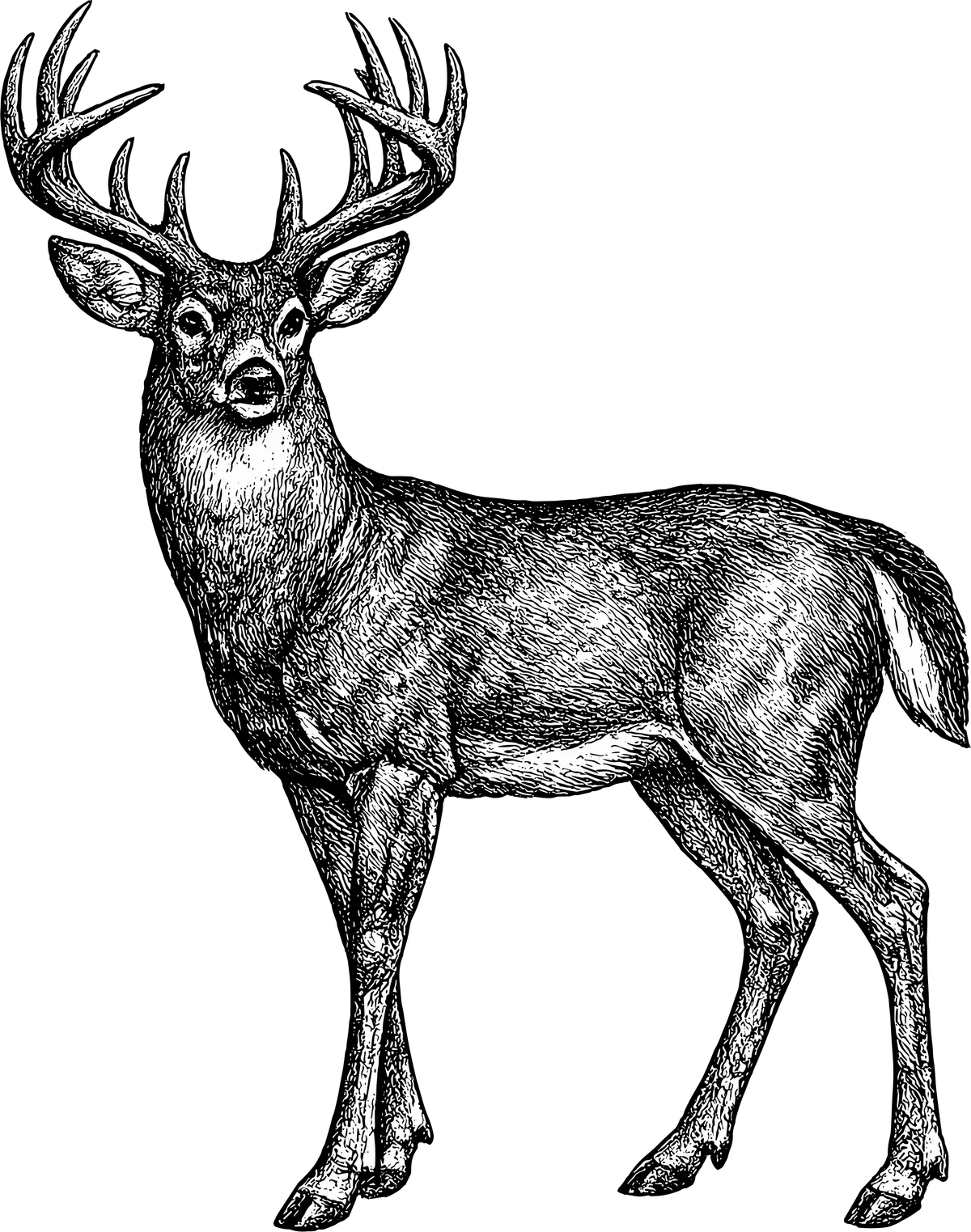
White-tailed Deer
Odocoileus virginianus
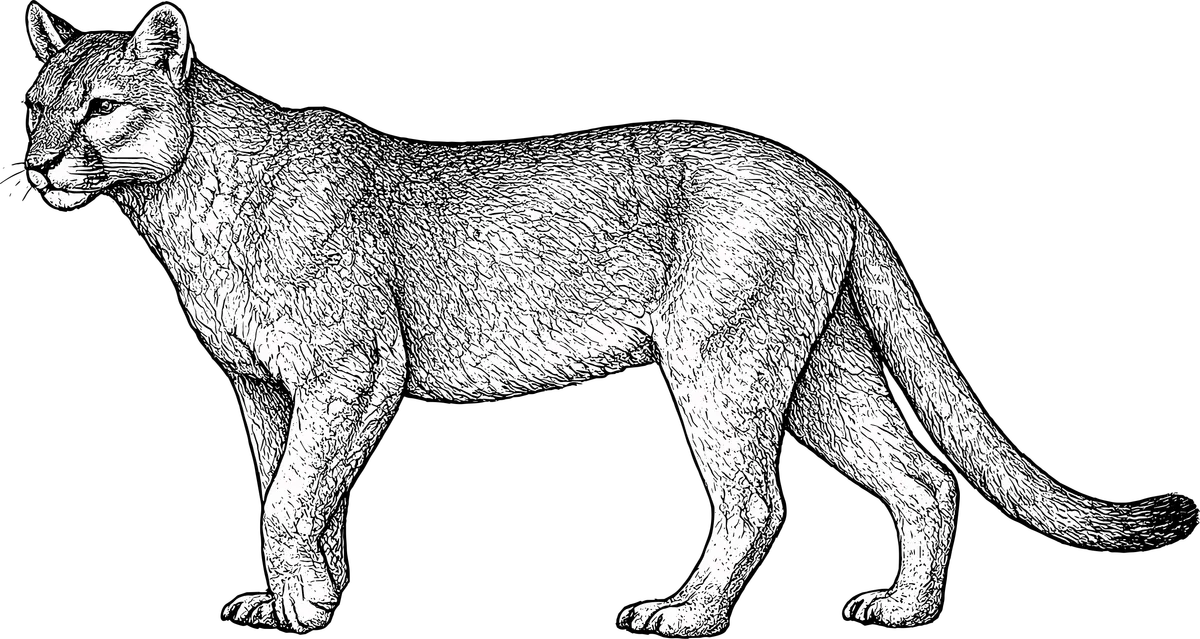
Mountain Lion
Puma concolor
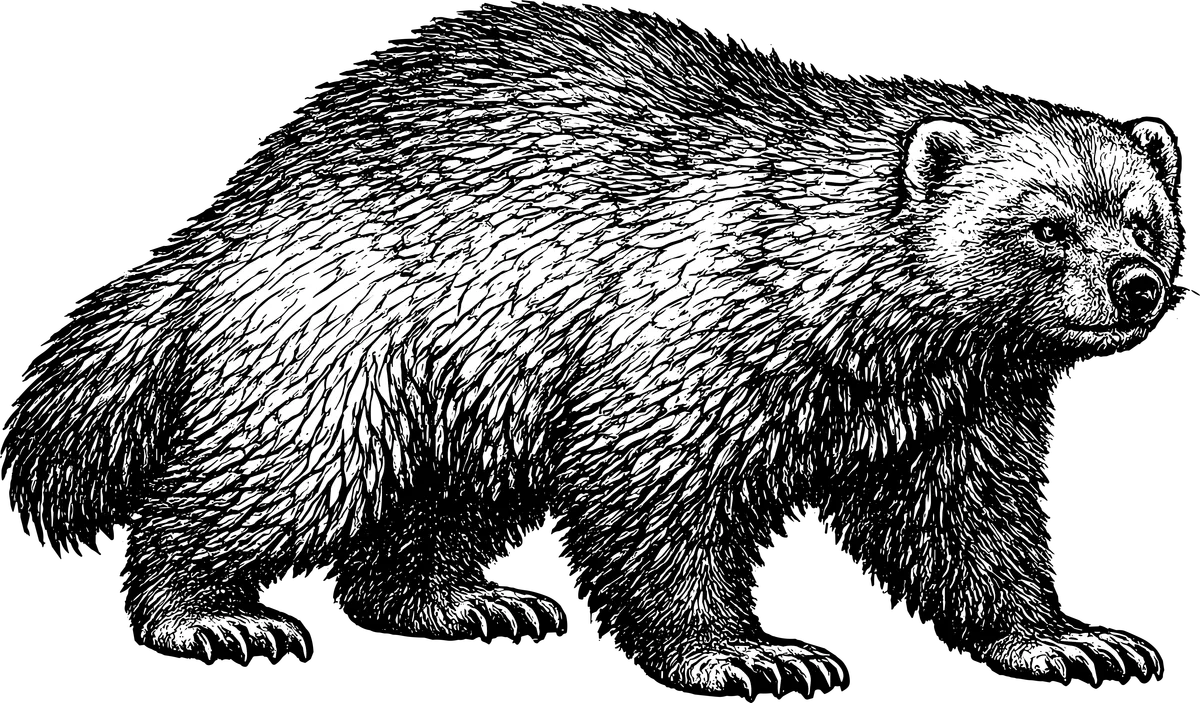
Wolverine
Gulo gulo
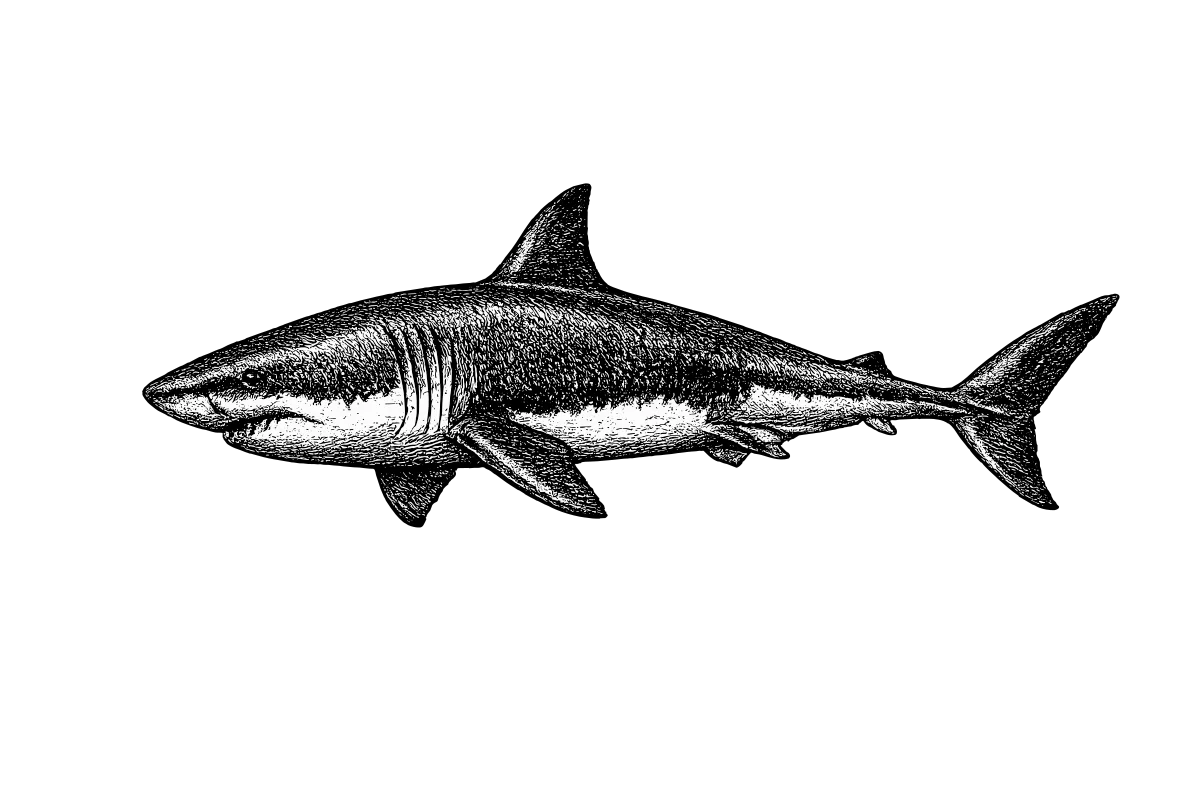
Great White Shark
Carcharodon carcharias
Giant Pacific Octopus
Enteroctopus dofleini
Atlantic Tarpon
Megalops atlanticus
Baetis Mayfly
Baetis tricaudatus
Monarch Butterfly
Danaus plexippus
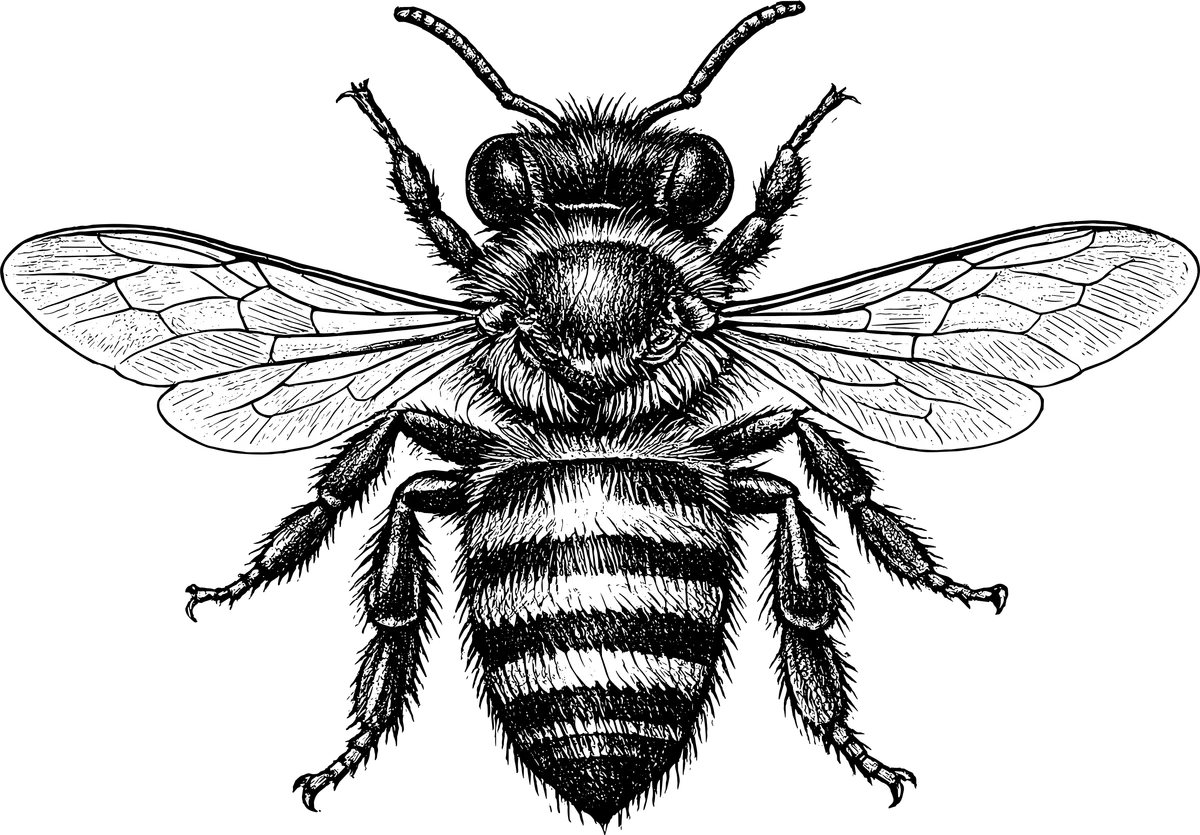
Honey Bee
Apis mellifera
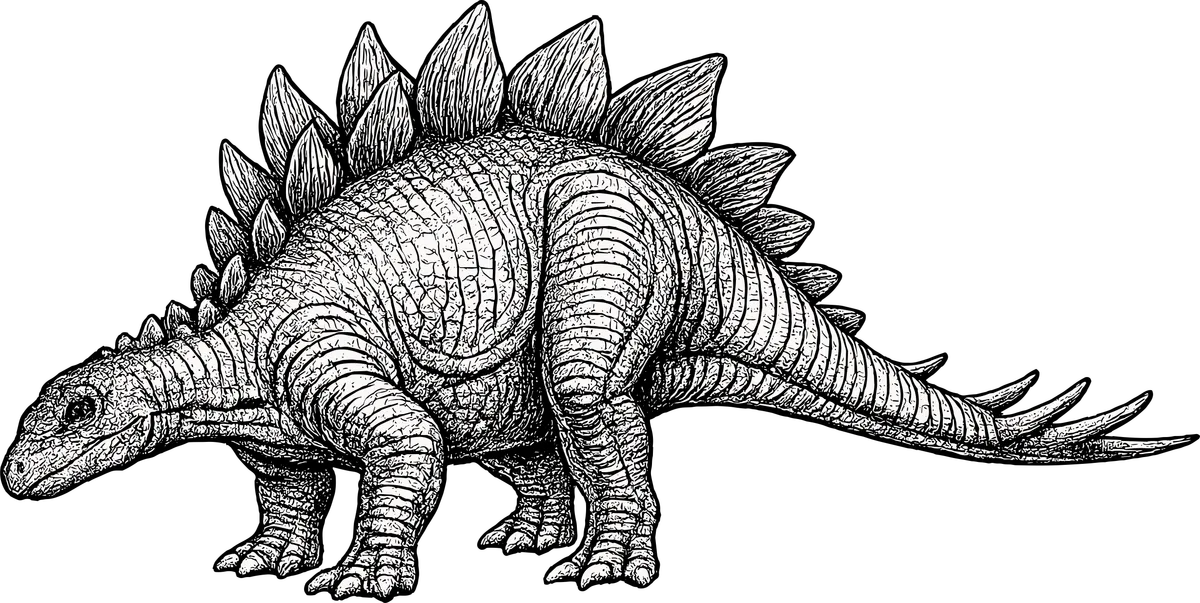
Stegosaurus
Stegosaurus stenops
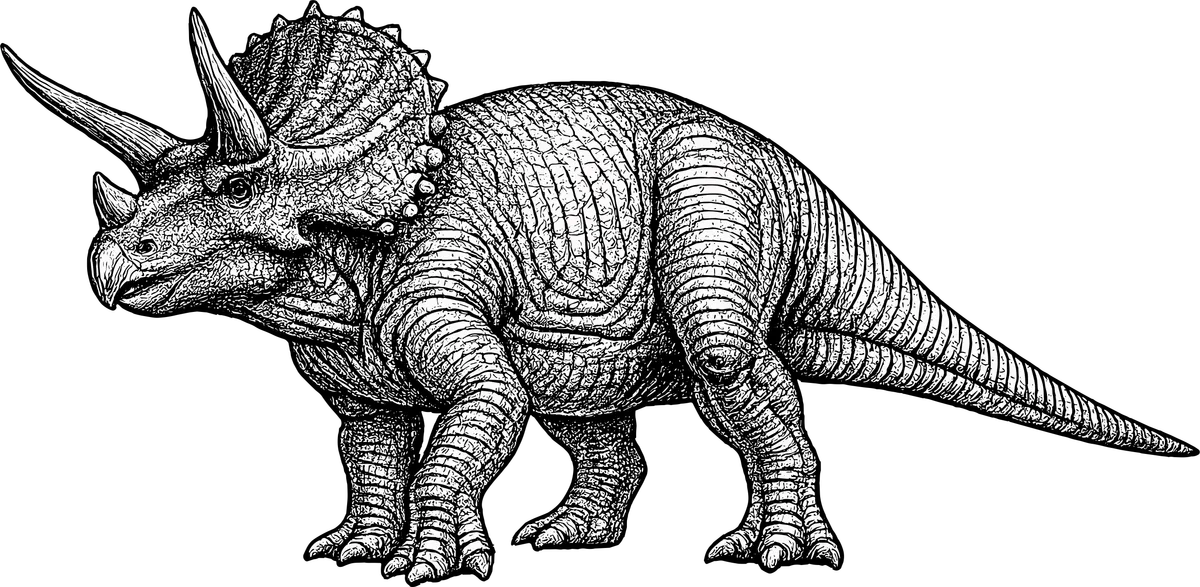
Triceratops
Triceratops horridus
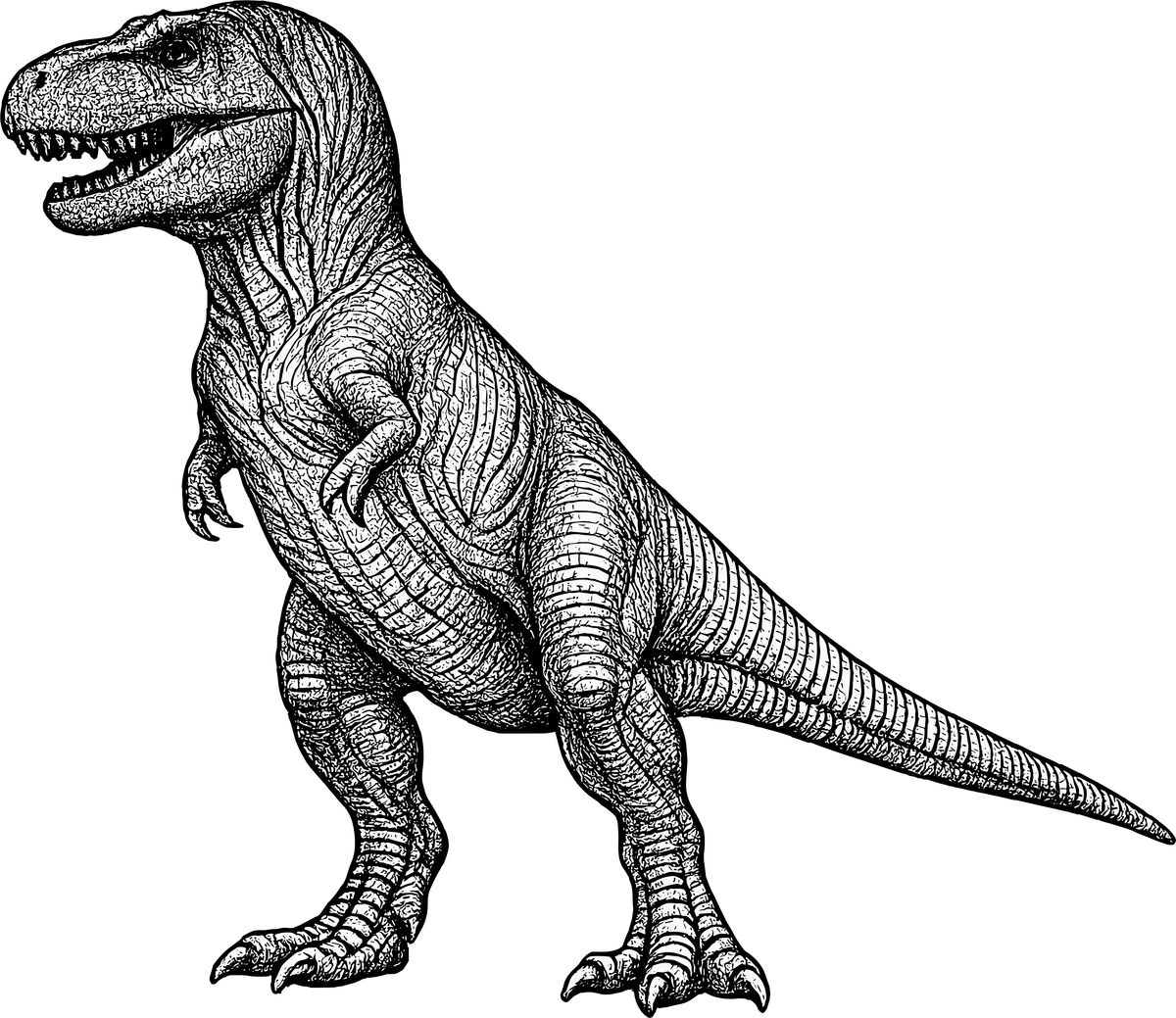
Tyrannosaurus rex
Tyrannosaurus rex
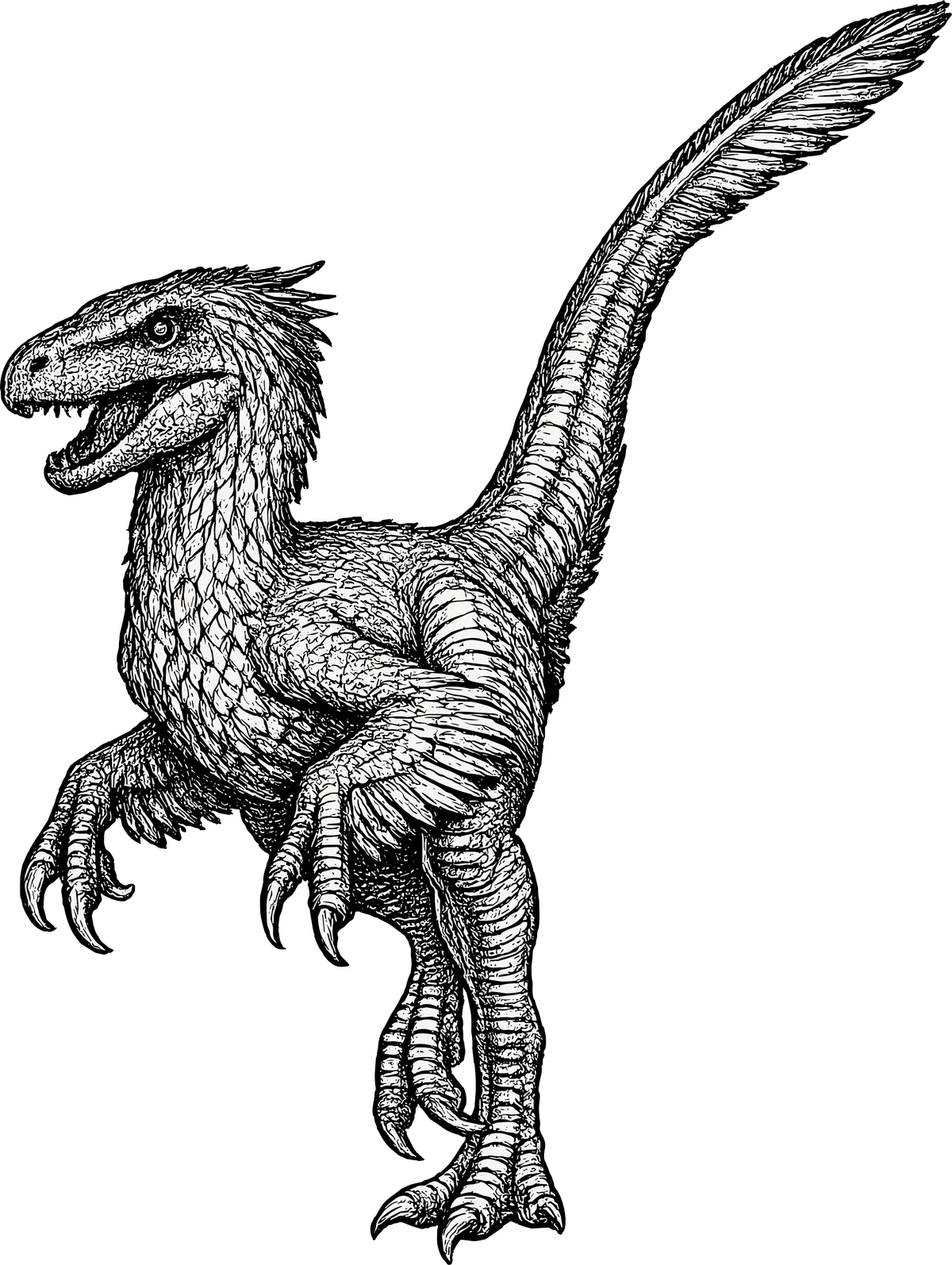
Velociraptor
Velociraptor mongoliensis