Field note · May 27, 2026
Parliament, Shiver, Rhumba: A Field Guide to Collective Nouns
The names we give groups of animals — parliament of owls, shiver of sharks, rhumba of rattlesnakes — most of them inherited from a 15th-century English hunting manual, some of them quietly invented yesterday.
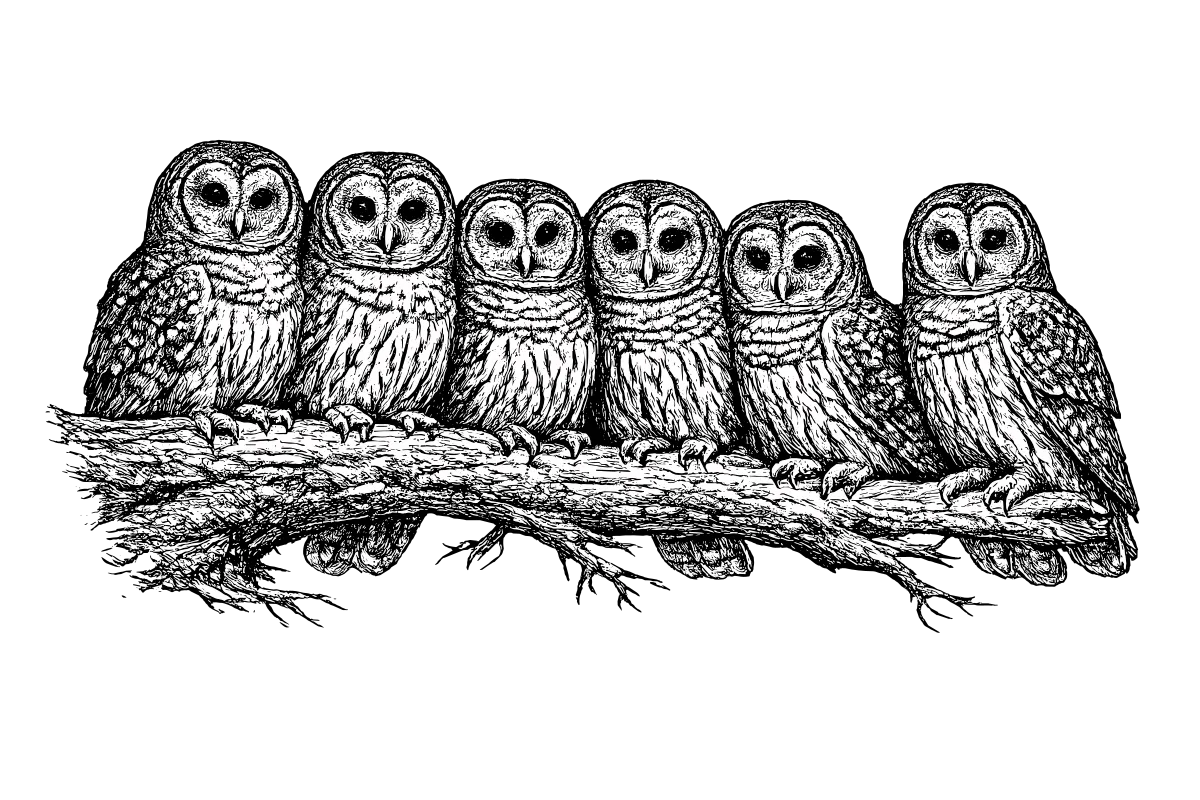
In English, the word for a group of animals is rarely just “group.” There is a parliament of owls. A shiver of sharks. A rhumba of rattlesnakes. A charm of hummingbirds. These are called terms of venery — collective nouns from the old vocabulary of hunting and falconry — and most of them came down to us through a single book.
That book is the Book of Saint Albans, printed in 1486, attributed to Juliana Berners and intended as a manual for English gentlemen who wished to discuss hawking, hunting, and heraldry with the correct vocabulary. Its third section listed “the compaynys of beestys and fowlys” — and many of the more inventive entries (an unkindness of ravens, a murder of crows, a parliament of owls) were as much a game of medieval wordplay as a genuine zoological term. Some are real. Some are jokes that hardened into tradition. New ones are still being coined.
The following is a field guide to the better ones — drawn from the species we illustrate.
A parliament of owls
The most famous of all collective nouns, and the most recently popularized — T.H. White’s The Once and Future King (1958) used “parliament” in a way that effectively rewrote the older English term (“stare of owls”) out of common memory. The image of owls as judges, gathered in solemn assembly, draws on much older folklore that associated the bird with wisdom and dread judgment. Real great horned owls are solitary outside of breeding season; you will not actually see a parliament in the wild.
A shiver of sharks
A modern coinage — the term does not appear in medieval texts and seems to have entered English through 19th- or early-20th-century writing. The word does double duty: it describes the cold dread the animal inspires and, ichthyologically, the slight shimmy a shark uses to maintain position in the water column. Apt either way.
A rhumba of rattlesnakes
Onomatopoeic, modern, and almost too clever — the term mimics the sound of the rattle itself. Rattlesnakes are not gregarious; they sometimes overwinter in communal dens (called hibernacula), and these mass gatherings are about the only context in which you might literally see a rhumba. The Cuban dance the word riffs on is unrelated.
A charm of hummingbirds
Likely from the Old French charme — “song” or “incantation” — and probably borrowed from the older “charm of finches.” The image is acoustic as much as visual: the high thin chirping and the rapid wing-buzz that surrounds a feeder when several birds are present. Ruby-throated hummingbirds are territorial and will rarely share a feeder peacefully, but the word survives anyway.
A sleuth of bears
From Middle English sleuth meaning “track” or “trail” — bears were tracked by their slot (the trail of broken brush and torn bark a moving bear leaves). The term predates Sherlock Holmes by several centuries and is unrelated to the detective sense. An alternate form, “sloth of bears,” derives from the same Germanic root as “slow” and reflects the bear’s deliberate gait. Grizzlies are mostly solitary; mothers with cubs are the closest most observers will come to seeing a sleuth.
A siege of herons
A medieval term referring to the heron’s defining hunting posture — the long patient stillness, the watchful stand. Herons hunt by ambush, often holding a single position for an hour or more before the strike. The collective noun captures that quality and applies it to the rare instances in which several herons share a feeding flat. “Sedge of herons” is an older variant, possibly a corruption.
A convocation of eagles
From the Latin convocare, “to call together” — a formal assembly, often religious or academic. The word’s grandeur fits the bird. Bald eagles do gather, especially in winter, at salmon-bearing rivers in Alaska and the Pacific Northwest; convocations of several hundred birds are documented along the Chilkat River. In those cases the collective noun is not poetic exaggeration.
An asylum of loons
Modern wordplay. The colloquial use of “loon” to mean a madman is itself folk-etymological — derived from “lunatic” via “luny,” with no real connection to the bird — but the pun on the loon’s wailing nighttime call was irresistible, and “asylum” stuck. The older traditional term, “cry of loons,” is more zoologically honest and slightly less fun.
A kaleidoscope of butterflies
Modern, clearly visual — the riot of overlapping colors a mass of butterflies produces in flight. The word kaleidoscope itself dates to 1817; the application to butterflies came considerably later, almost certainly in the 20th century. Monarch overwintering sites in the Mexican states of Michoacán and Estado de México are where the term earns itself — entire forests of fir trees turn orange under hundreds of millions of resting monarchs.
A tower or journey of giraffes
Two terms, both modern, used in different conditions. “Tower” describes giraffes standing — emphasizing the vertical — and is the more commonly used term today. “Journey” describes giraffes walking, capturing the breed’s distinctive pacing gait and migratory movement. Both are observational rather than ancient.
A parade of elephants
Modern, evocative, and unimprovable. The processional cadence of a moving elephant family — matriarchs in front, calves and aunties behind, in a single deliberate file across open country — is what the word picks up. “Memory of elephants” is a folkloric alternative drawing on the species’ famous (and real) capacity for long-term recall.
A band of gorillas
Of the words in this list, “band of gorillas” is the most scientifically literal — band is the standard primatological term for a social unit consisting of a single silverback male, his mated females, and their offspring. The word means what it says.
An ambush of tigers
Modern, descriptive, and earned. A streak of tigers is the alternative — describing the visual rather than the behavior. Wild tigers are emphatically solitary; an ambush is something you would only encounter in legend or in a zoo.
A blessing of narwhals
The most folkloric of the terms here. The word’s origin is unclear — possibly a 20th-century invention by Inuit-influenced English writers, possibly older. Narwhals do gather, sometimes in pods of hundreds, beneath the Arctic ice; the long ivory tusks of the males rising in formation through a breathing hole has been described by witnesses as a religious experience. The term may be earned in that sense alone.
What about animals that don’t have a collective noun?
Many do not — and reading too far into the tradition produces inventions presented as folklore. The genuinely solitary species in our catalog — mountain lions, wolverines, octopuses, pangolins, moose — have no widely accepted collective nouns because, in nature, they almost never gather. The temptation to coin “a vanish of pangolins” or “a grudge of wolverines” is real, but unsupported by either zoology or tradition.
This is a useful reminder. The collective nouns we have are not arbitrary — they reflect what people actually observed of the animal’s behavior, geography, and reputation, refracted through the language available at the time. The fact that a parliament of owls is more memorable than a stare of owls is itself a small story about how the English-speaking world chose to imagine the bird.
Wear the wild
Each of the species above is illustrated in the woodcut tradition that gave us most of the imagery we still associate with these animals — the parliament of owls of medieval bestiaries, the heraldic eagle, the engraving plates of 19th-century natural history. The artwork on cotton in the shop is descended from that line.
Species in this piece
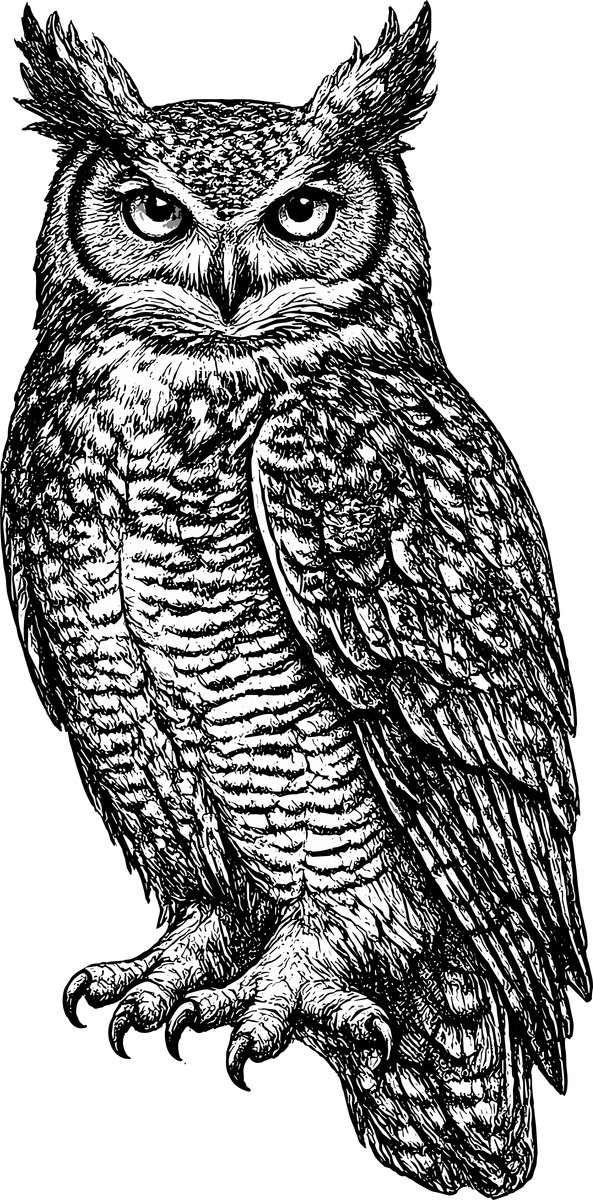
Great Horned Owl
Bubo virginianus
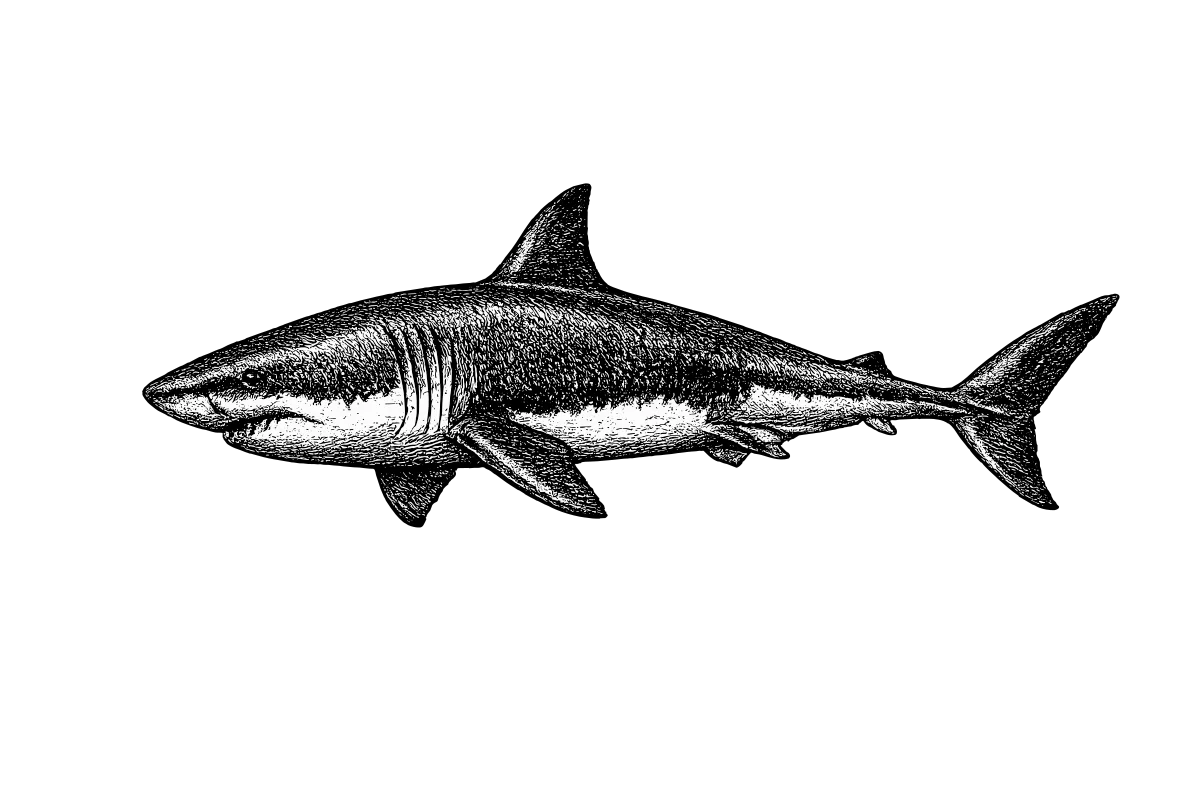
Great White Shark
Carcharodon carcharias
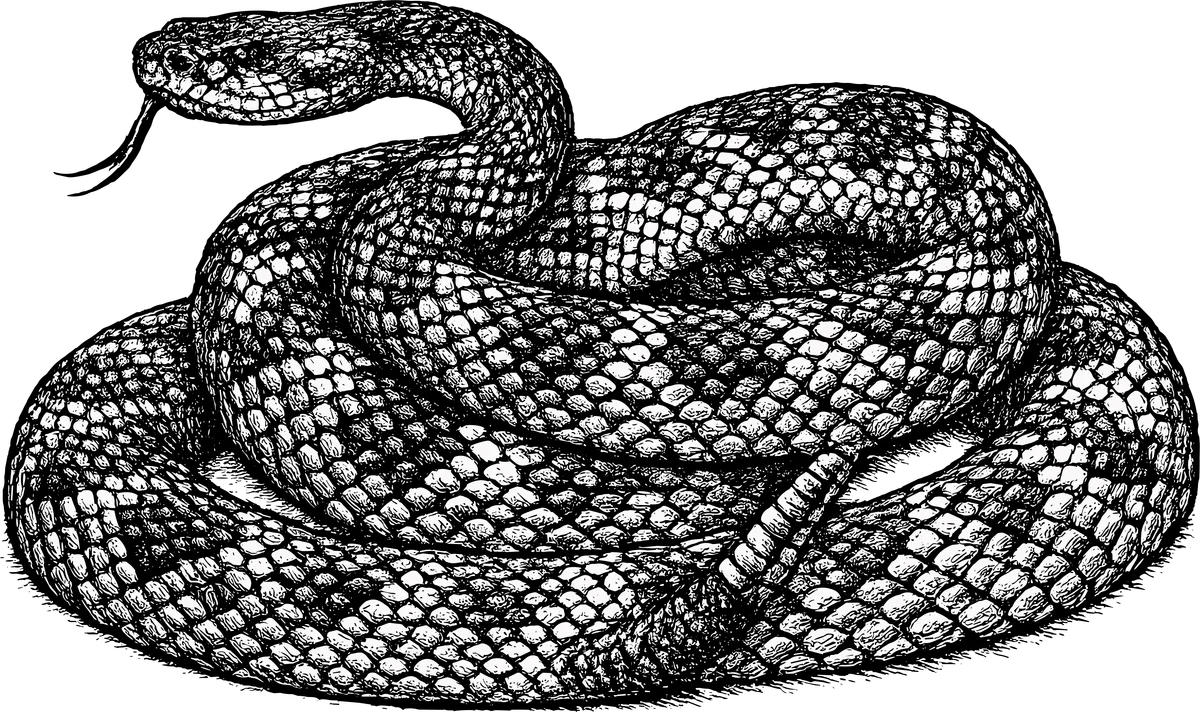
Western Diamondback Rattlesnake
Crotalus atrox
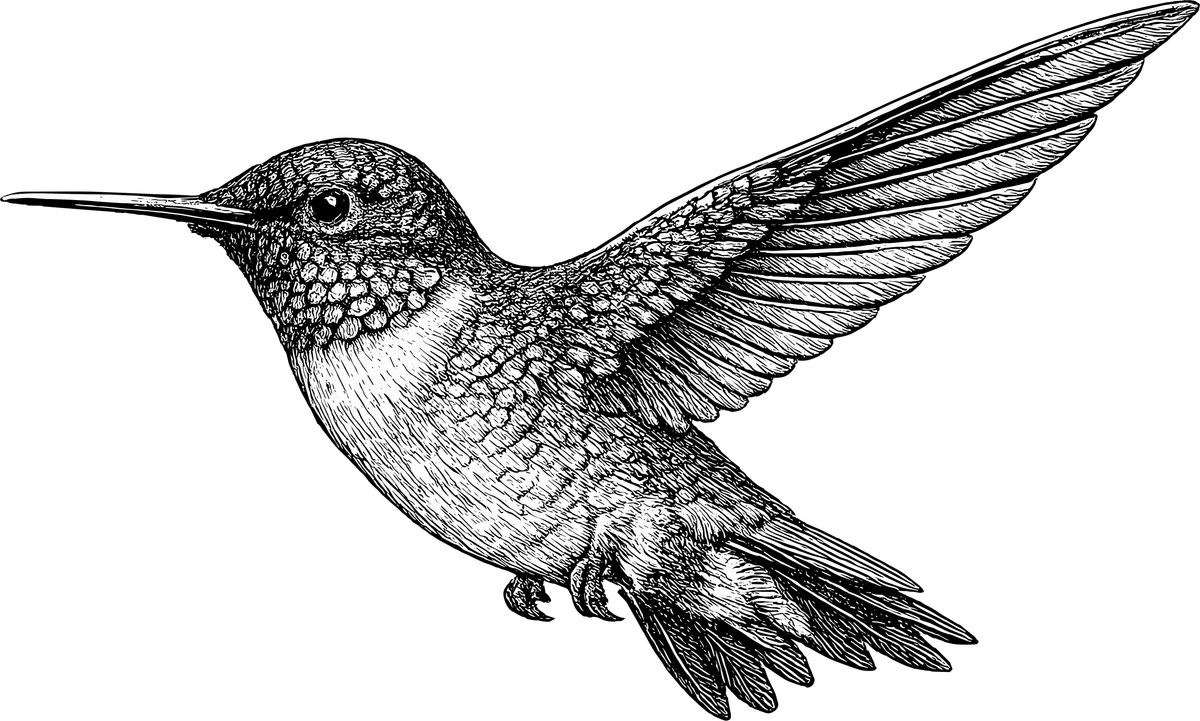
Ruby-throated Hummingbird
Archilochus colubris
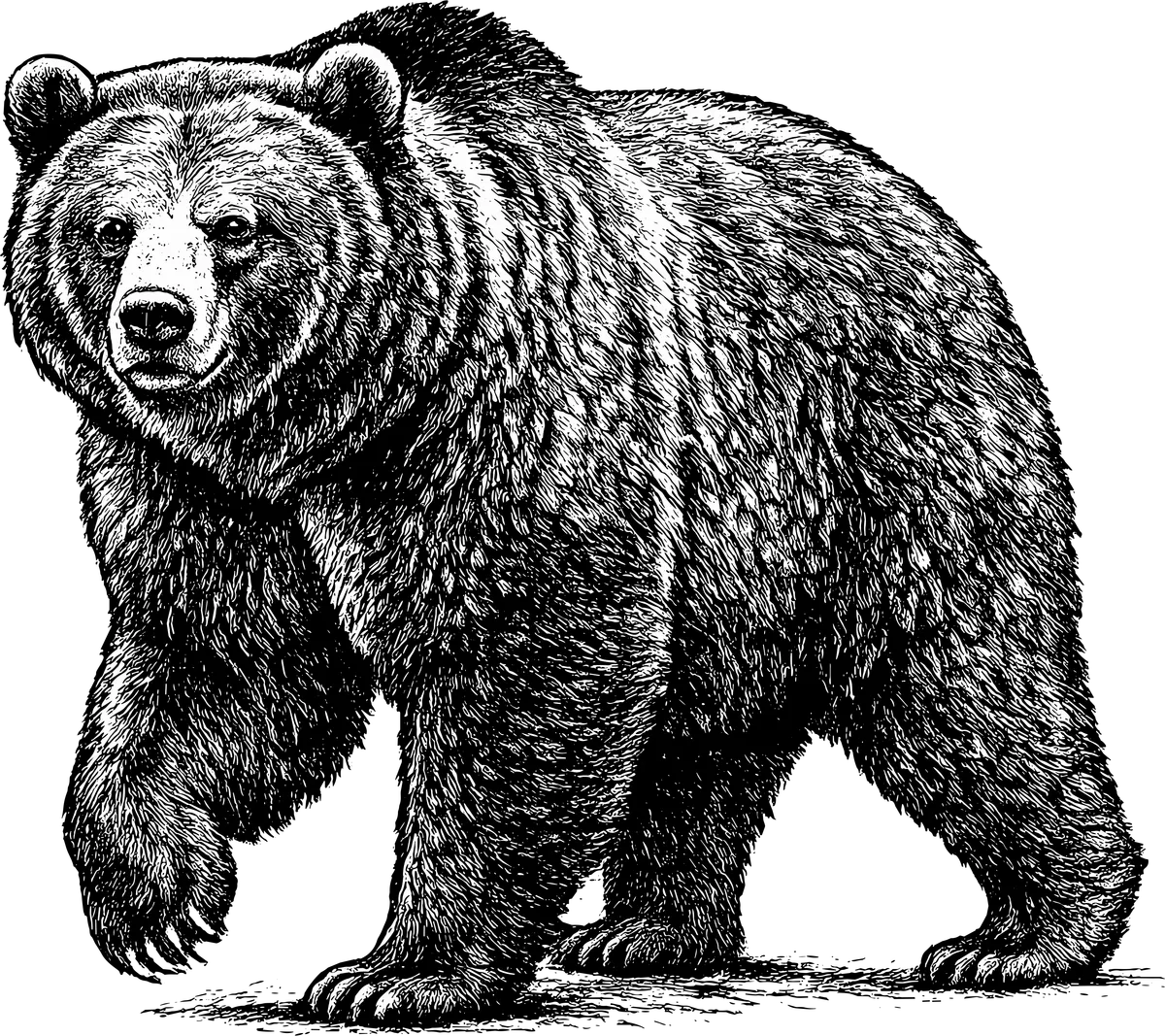
Grizzly Bear
Ursus arctos horribilis
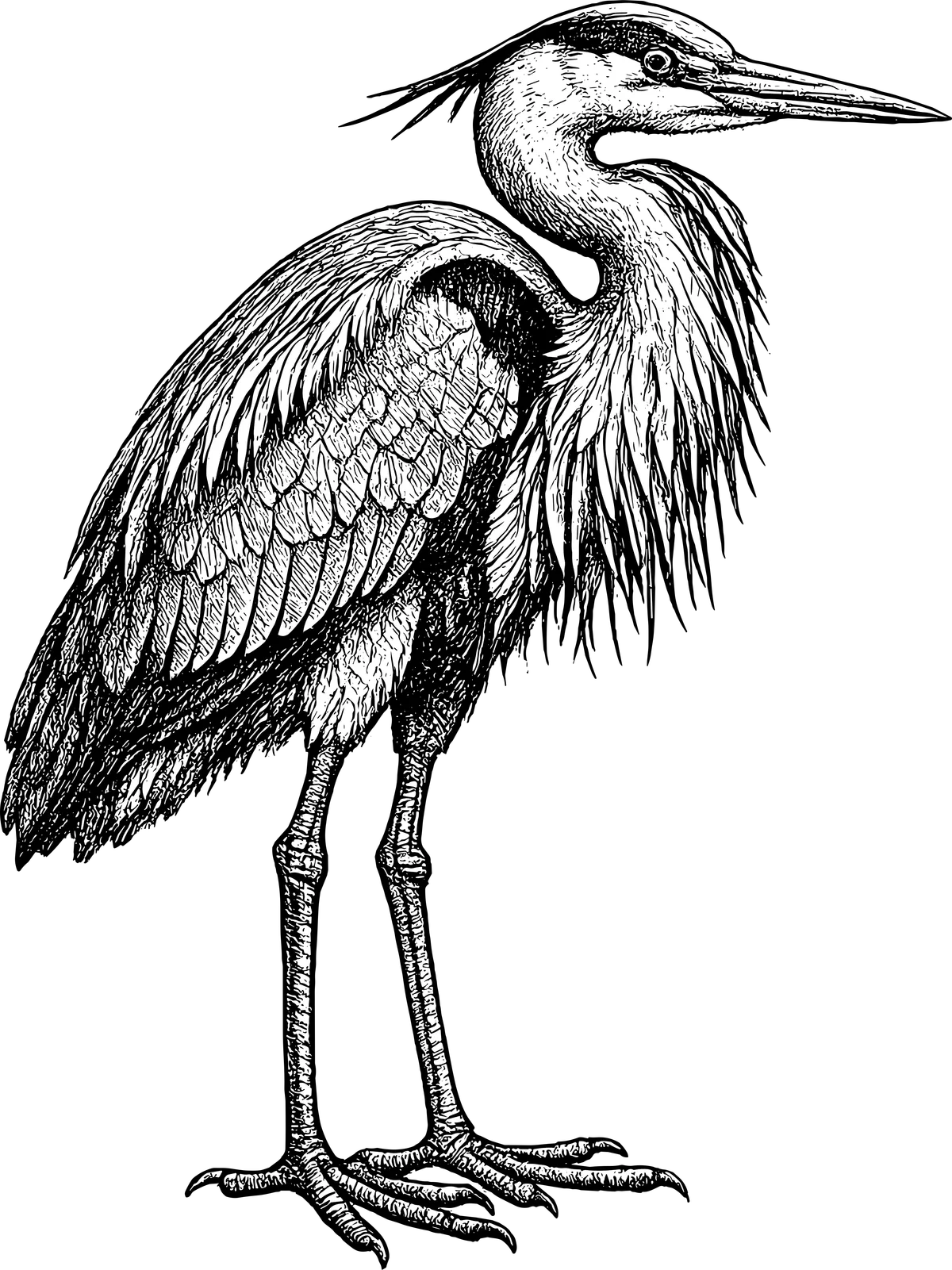
Great Blue Heron
Ardea herodias
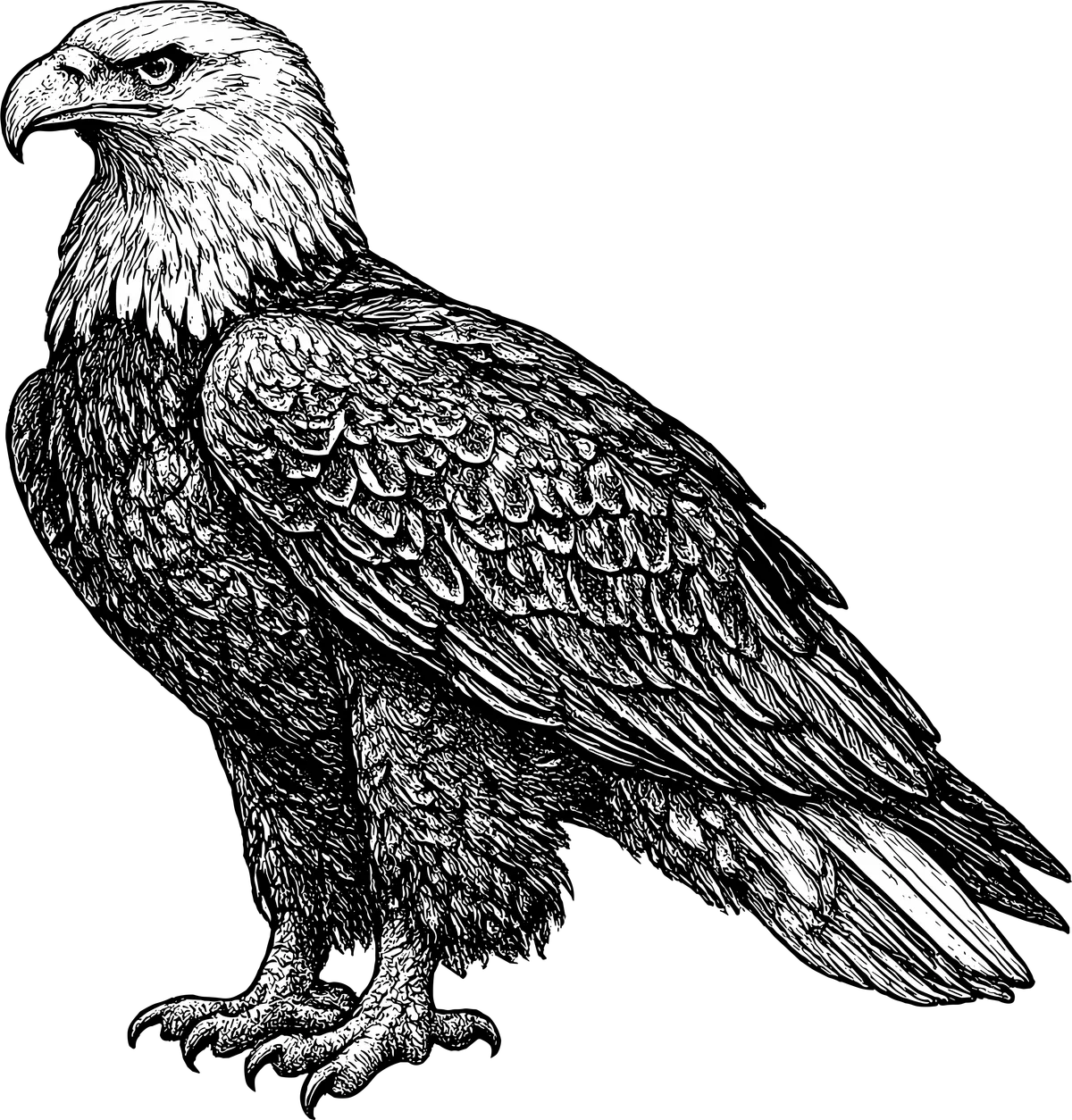
Bald Eagle
Haliaeetus leucocephalus
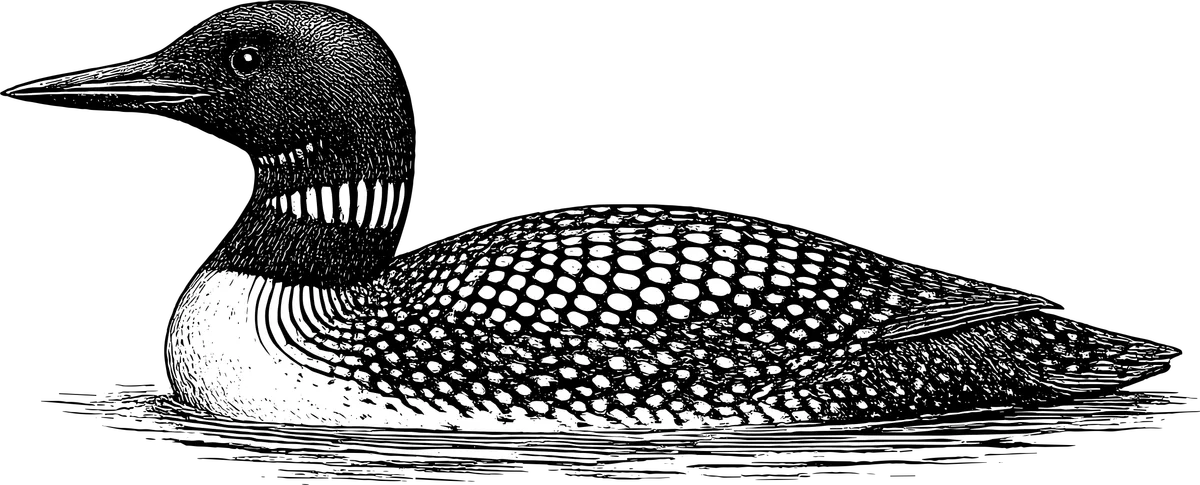
Common Loon
Gavia immer
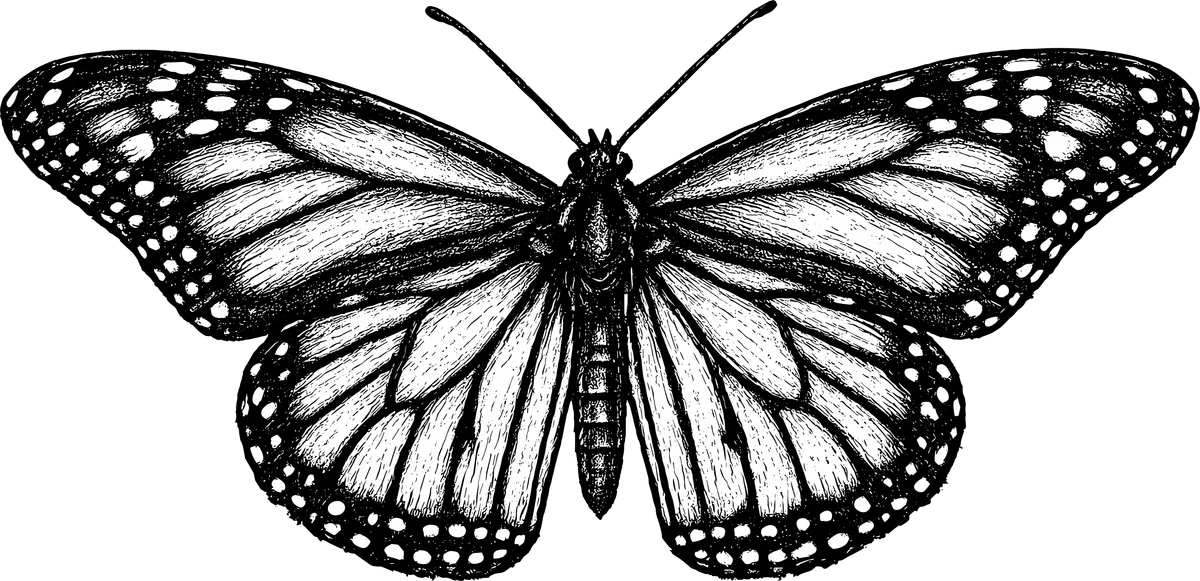
Monarch Butterfly
Danaus plexippus
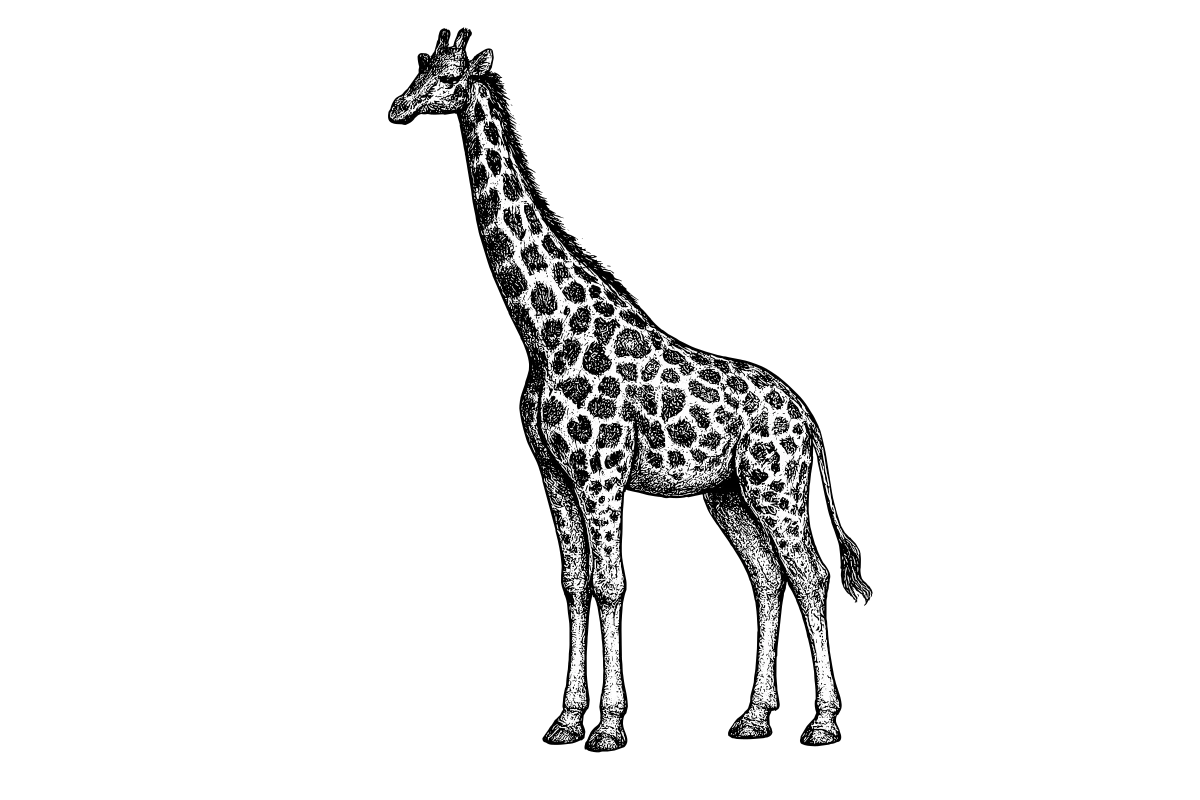
Giraffe
Giraffa camelopardalis
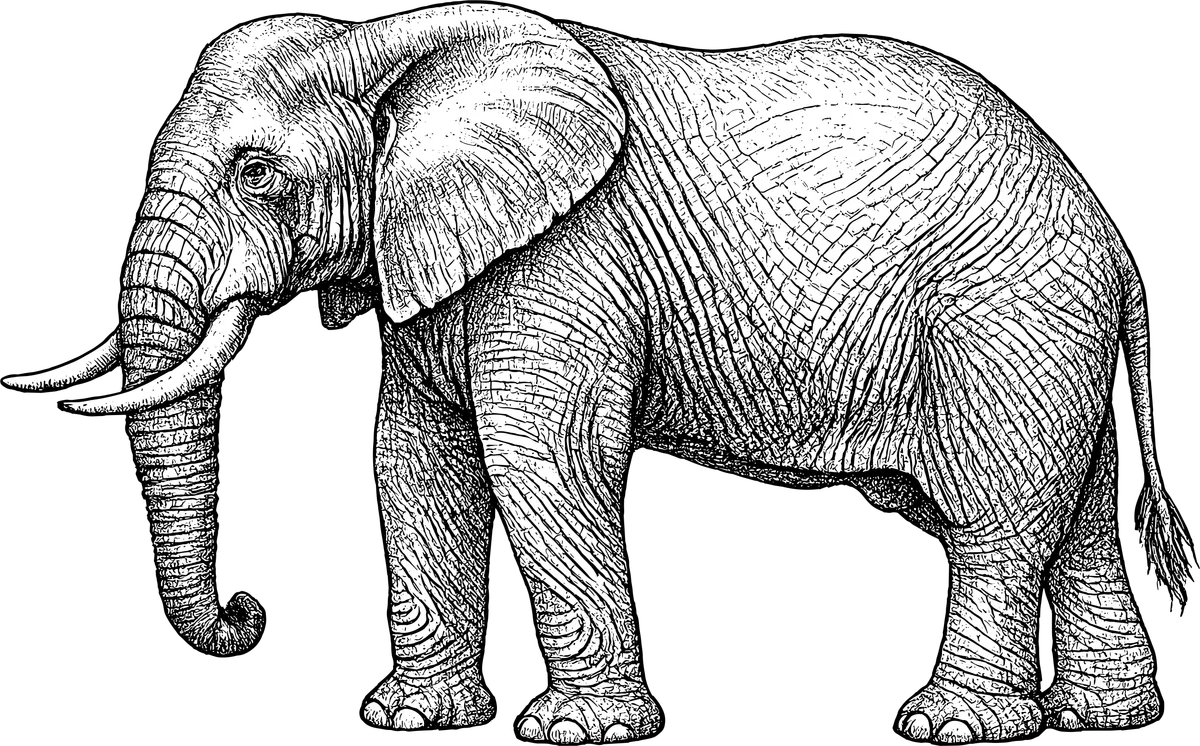
African Elephant
Loxodonta africana
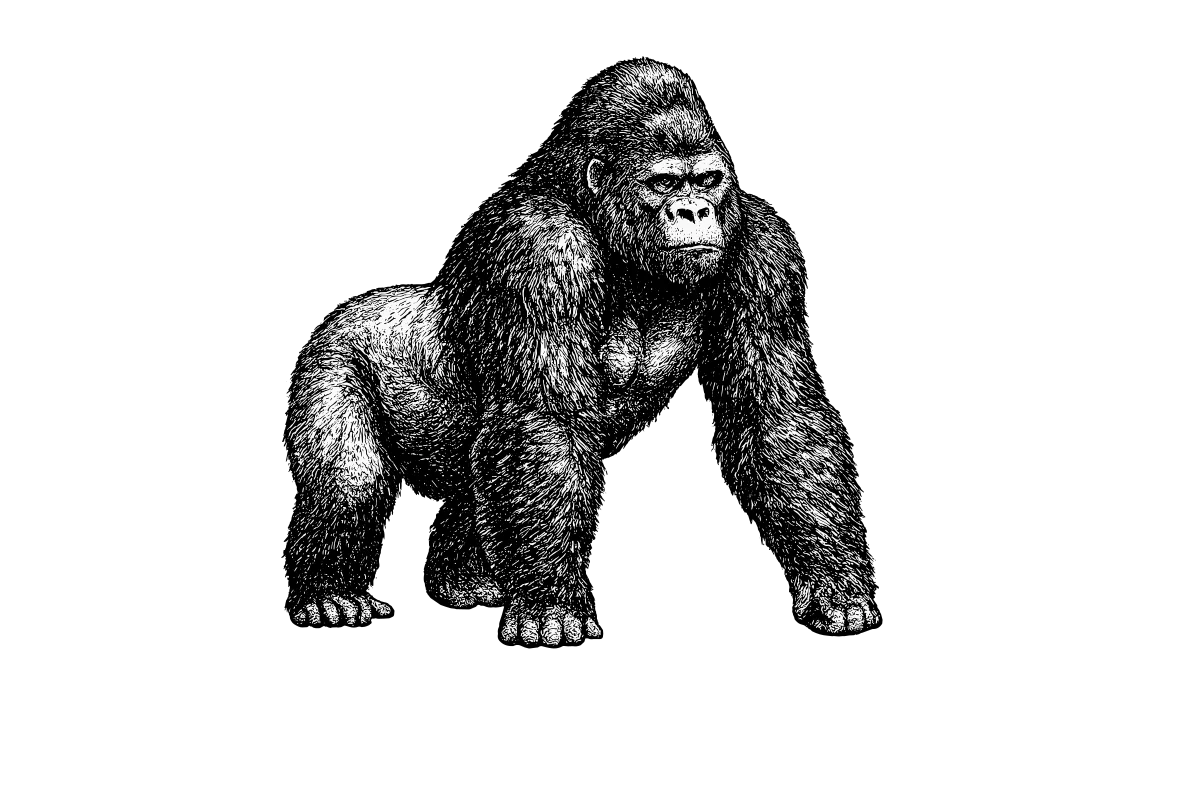
Western Lowland Gorilla
Gorilla gorilla gorilla
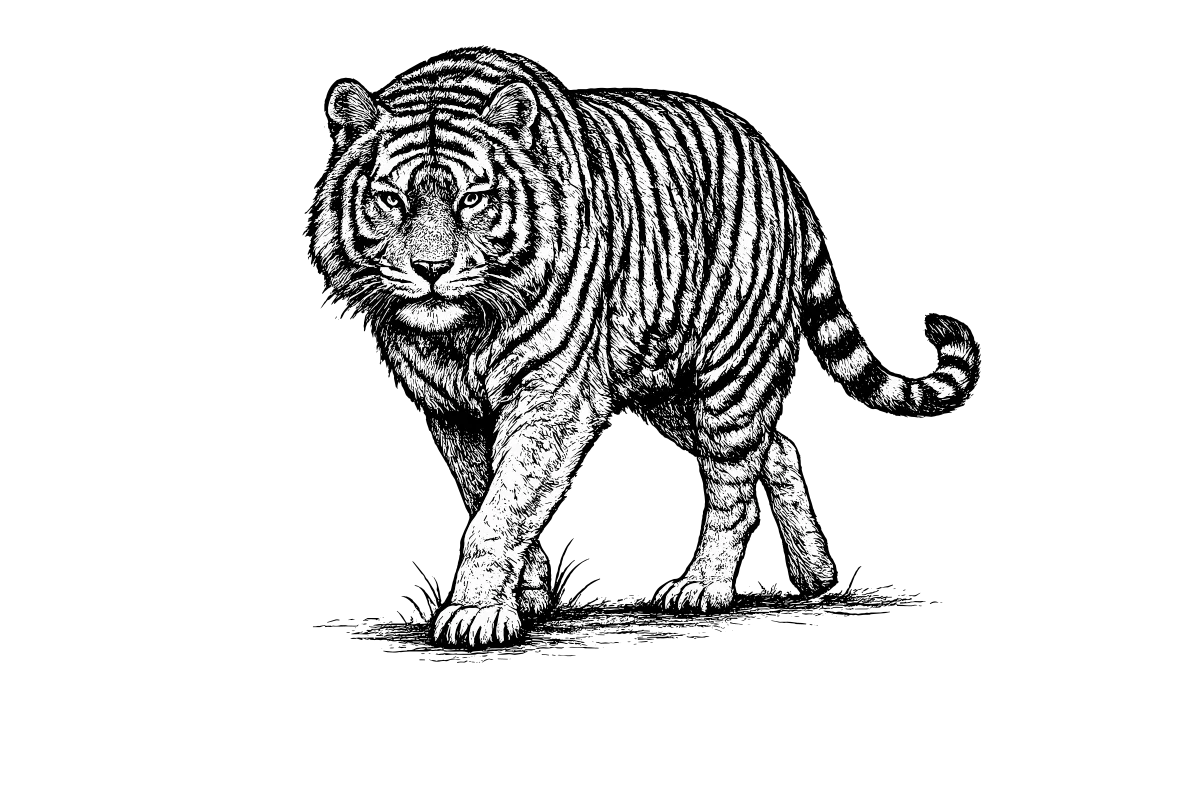
Tiger
Panthera tigris
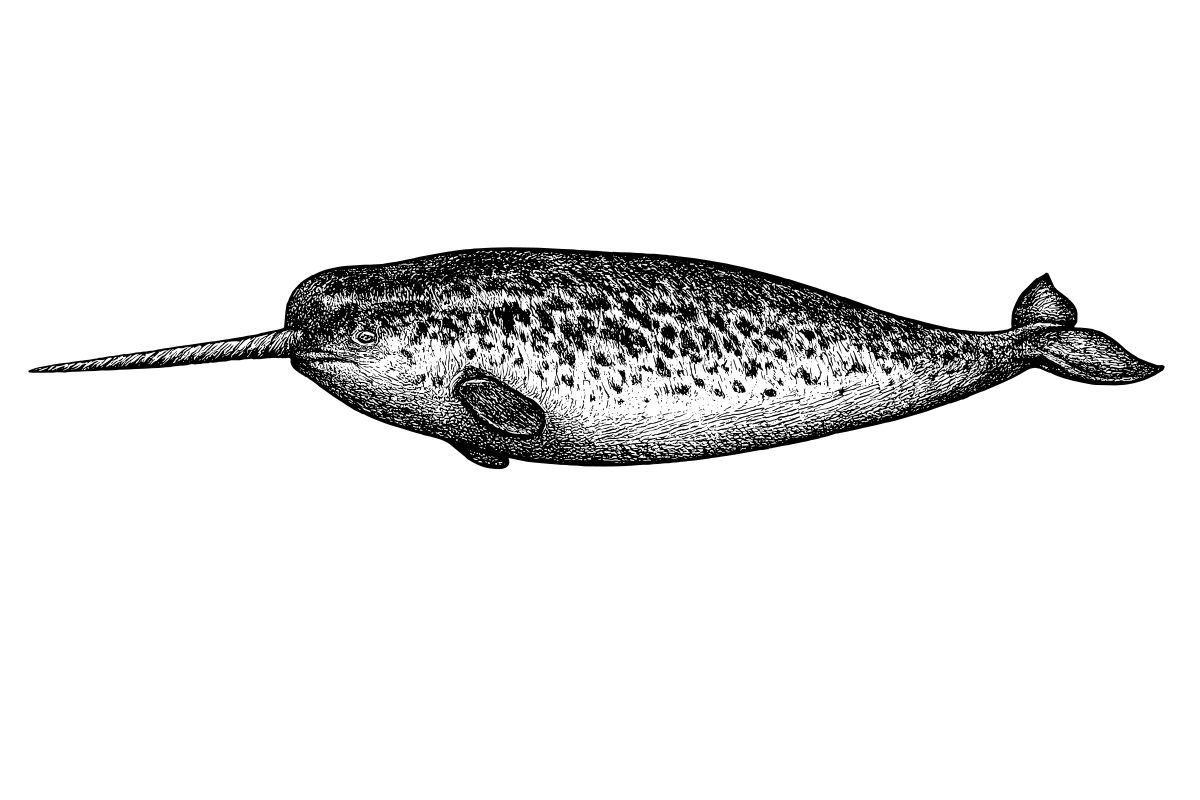
Narwhal
Monodon monoceros